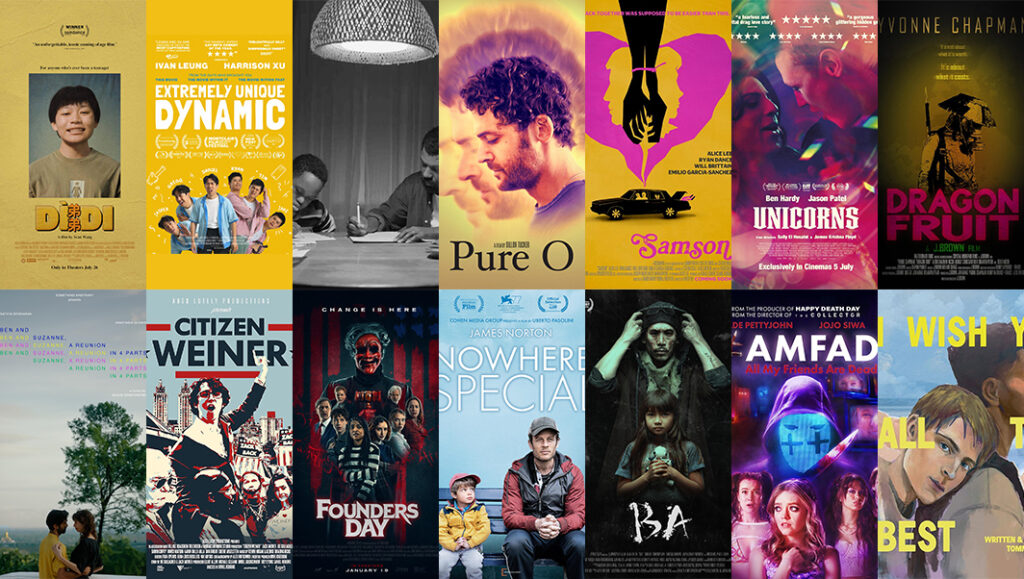
Indie films, also known as independent films, are movies that are produced outside the major film studio system. These films are usually created by independent filmmakers or smaller production companies that work with limited budgets compared to large commercial movie studios. The main goal of indie films is often creative expression rather than earning huge profits. Independent filmmakers usually have more freedom to explore original ideas, unique storytelling methods, and meaningful themes that may not always fit into mainstream cinema. Because of this creative freedom, indie films have become an important and respected part of the global film industry.
Definition of Indie Films
Indie films can be defined as motion pictures produced independently from major film production companies. The word “indie” comes from the term “independent,” which means working separately from large organizations or corporations. These films are commonly financed through private investors, small studios, crowdfunding, or personal funding by the filmmakers themselves. Unlike big-budget commercial films, indie movies often focus more on artistic quality, storytelling, character development, and emotional depth rather than expensive visual effects or celebrity casts.
Origin and Development of Indie Films
The idea of independent filmmaking developed as filmmakers wanted greater creative control over their work. In the early days of cinema, large studios controlled most movie production, distribution, and marketing. Many directors and writers felt restricted by studio rules and began creating films independently. During the twentieth century, independent cinema gradually gained popularity because audiences started appreciating different styles of storytelling.
As technology improved and filmmaking equipment became more affordable, more people entered the film industry independently. Digital cameras, editing software, and online streaming platforms made it easier for filmmakers to produce and share their work with audiences around the world. Today, indie films continue to influence mainstream cinema and often introduce new ideas and creative approaches.
Characteristics of Indie Films
Indie films have several features that make them different from mainstream commercial movies. One important characteristic is a lower production budget. Since independent filmmakers usually have limited financial resources, they focus more on storytelling and creativity rather than expensive production techniques.
Another characteristic is originality. Indie films often explore unique stories, social issues, personal experiences, and experimental ideas. These movies may not follow traditional film formulas and frequently present realistic characters and situations.
Creative freedom is also an important element. Directors and writers often have more control over the final product without pressure from large studios to meet commercial expectations. This freedom allows filmmakers to express personal artistic visions and create meaningful content.
Production Process of Indie Films
The production process of indie films usually involves several stages similar to mainstream filmmaking but on a smaller scale. The process begins with developing an original script and securing financial support. Independent filmmakers may raise money through investors, grants, sponsorships, crowdfunding campaigns, or personal savings.
After funding is arranged, filmmakers move into pre-production, where they select locations, cast actors, and organize schedules. Production involves filming the scenes, often using smaller crews and fewer resources than major studios.
Post-production includes editing, adding sound effects, music, and final adjustments. Once completed, indie films are distributed through film festivals, streaming services, independent theaters, or online platforms.
Importance of Indie Films
Indie films play an important role in the entertainment industry because they encourage creativity and diversity. They provide opportunities for new directors, actors, writers, and producers to enter the film world and share fresh ideas.
Independent films also give audiences access to stories that may not be represented in mainstream cinema. They often focus on social issues, cultural experiences, personal struggles, and emotional journeys. These films create space for voices that may otherwise remain unheard.
Additionally, indie films frequently influence larger studios by introducing innovative storytelling techniques and inspiring new film trends.
Advantages of Indie Films
There are many advantages of independent filmmaking. One major advantage is artistic freedom. Filmmakers can create content based on their vision rather than commercial demands. This often leads to more authentic and emotionally powerful stories.
Another advantage is flexibility. Smaller production teams can adapt quickly and make creative decisions without complex corporate approval processes.
Indie films also encourage experimentation. Directors can explore different genres, filming styles, and narrative structures that might not be accepted in commercial filmmaking.
For audiences, indie films provide variety and offer experiences that are often more personal and realistic.
Challenges Faced by Indie Filmmakers
Although indie films offer many opportunities, they also present several challenges. Limited budgets can affect production quality, marketing efforts, and distribution opportunities. Independent filmmakers may struggle to compete with large studios that have extensive financial resources.
Marketing is another major challenge because indie films usually have smaller advertising budgets. Reaching large audiences often depends on positive reviews, film festivals, and social media promotion.
Distribution can also be difficult, as securing theater releases or streaming deals may require strong industry connections and audience support.
Influence of Indie Films on Modern Cinema
Independent films have significantly influenced modern cinema. Many successful directors and actors began their careers through independent projects. Indie films have introduced new genres, storytelling methods, and filmmaking techniques that later became popular in mainstream movies.
Streaming platforms and digital media have increased the visibility of indie films, allowing audiences worldwide to discover independent creators. Today, independent cinema continues to shape the future of filmmaking by encouraging innovation and creative expression.
Conclusion
Indie films are independent movies created outside major studio systems with a strong focus on creativity, originality, and meaningful storytelling. These films often work with smaller budgets but provide greater artistic freedom for filmmakers. Independent cinema has become an important part of the global entertainment industry because it promotes diversity, introduces fresh ideas, and gives opportunities to emerging talent. As technology and digital platforms continue to grow, indie films are expected to remain an influential force in the future of cinema.