Choosing the right OEM garment manufacturing partner is one of the most important decisions for any clothing brand. Whether you’re launching a fashion startup, expanding an established apparel business, or introducing a new product line, a reliable Original Equipment Manufacturer (OEM) can help transform your ideas into high-quality garments that reflect your brand’s vision.
OEM garment manufacturing allows businesses to develop unique clothing products based on their own designs and specifications while leveraging the expertise, technology, and production capabilities of experienced manufacturers. This approach gives brands greater control over quality, customization, and product innovation without investing in their own production facilities.
In this guide, you’ll learn how OEM garment manufacturing works, its advantages, the production process, and how to choose the right manufacturing partner for long-term success.
What Is an OEM Garment Manufacturing Partner?
An OEM garment manufacturing partner is a company that manufactures clothing according to a client’s original designs, technical specifications, and branding requirements. Unlike standard wholesale suppliers that offer ready-made garments, OEM manufacturers create products exclusively for your brand.
With OEM manufacturing, businesses have full control over various product elements, including:
- Garment design
- Fabric selection
- Color options
- Size grading
- Stitching techniques
- Labels and tags
- Embroidery and printing
- Packaging and branding
This level of customization enables brands to develop exclusive apparel collections that differentiate them from competitors.
Benefits of Working with an OEM Garment Manufacturer
Partnering with an experienced OEM manufacturer offers several advantages that support business growth and product quality.
Full Product Customization
OEM manufacturing allows brands to create garments from the ground up rather than modifying existing products. Every detail can be customized to align with your brand identity and target audience.
Consistent Quality Standards
Professional manufacturers implement strict quality control throughout production to ensure every garment meets predefined specifications.
Consistent quality helps build customer trust and encourages repeat purchases.
Cost-Effective Production
Outsourcing manufacturing eliminates the need to invest in factories, machinery, and specialized labor. Businesses can focus on branding, sales, and customer acquisition while experienced manufacturers handle production.
Scalable Manufacturing
As your clothing brand grows, an OEM partner can increase production capacity to meet rising demand without compromising quality or delivery schedules.
Industries That Benefit from OEM Garment Manufacturing
OEM apparel production serves a wide range of industries.
Common sectors include:
- Fashion brands
- Sportswear companies
- Corporate uniform suppliers
- Hospitality businesses
- Healthcare organizations
- School uniform providers
- Promotional merchandise companies
- E-commerce apparel brands
Each industry requires unique materials, designs, and production standards that OEM manufacturers can accommodate.
The OEM Garment Manufacturing Process
Understanding the production workflow helps businesses communicate effectively with manufacturers and achieve better results.
Product Design and Development
The process begins with detailed product planning.
Brands typically provide:
- Design sketches
- Technical specification sheets
- Measurement charts
- Color references
- Fabric preferences
- Branding guidelines
Some manufacturers also offer design consultation and product development services for businesses that need additional support.
Fabric Sourcing
Selecting the right fabric is essential for garment performance and customer satisfaction.
Popular fabric options include:
- Cotton
- Organic cotton
- Polyester
- Linen
- Rayon
- Bamboo fabric
- French terry
- Fleece
- Denim
Manufacturers often recommend fabrics based on garment function, durability, and production requirements.
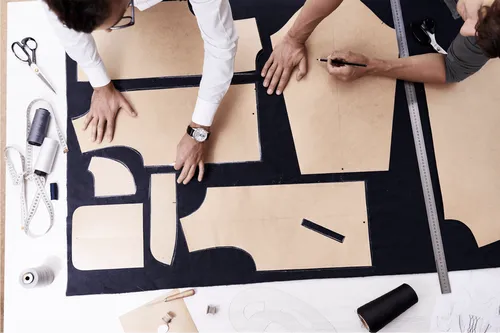
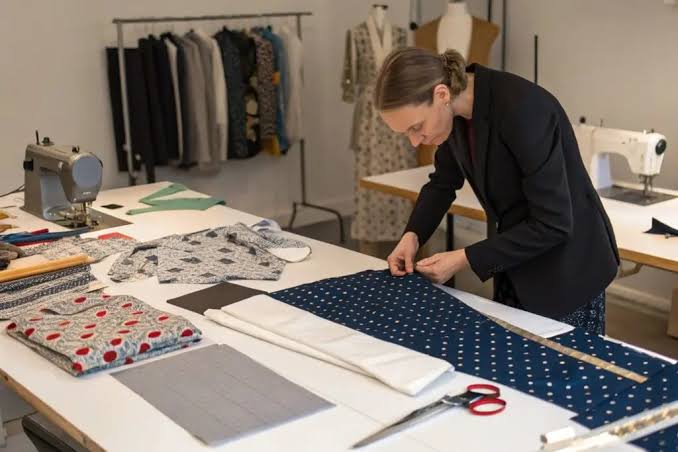
Pattern Making and Sample Development
Pattern makers create production templates that ensure accurate sizing and garment construction.
A prototype sample is then produced for evaluation.
During sample approval, brands review:
- Fit
- Comfort
- Fabric quality
- Stitching
- Color accuracy
- Logo placement
- Overall appearance
Any necessary adjustments are completed before bulk production begins.
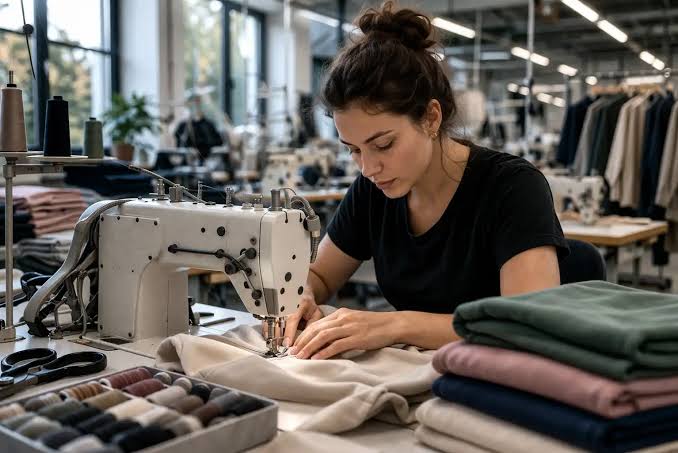
Bulk Production
After sample approval, manufacturing moves into full production.
The process usually includes:
- Fabric cutting
- Sewing
- Printing
- Embroidery
- Label attachment
- Quality inspections
- Ironing
- Packaging
Modern production facilities use advanced equipment to improve efficiency and maintain consistency across large production runs.
Branding and Customization Options
OEM manufacturing offers extensive branding opportunities.
Custom Labels
Woven labels and printed neck labels reinforce brand identity while giving garments a premium finish.
Embroidery
Embroidery provides a durable and professional appearance for logos on uniforms, jackets, caps, and polo shirts.
Screen Printing
Screen printing is ideal for high-volume production and delivers vibrant, long-lasting graphics on apparel.
Direct-to-Garment (DTG) Printing
DTG printing produces detailed, full-color designs and is particularly suitable for smaller production runs or intricate artwork.
Custom Packaging
Many OEM manufacturers also provide branded packaging solutions, including:
- Custom boxes
- Poly mailers
- Tissue paper
- Hang tags
- Thank-you cards
- Branded stickers
Premium packaging enhances the customer experience and strengthens brand recognition.
Quality Control in OEM Garment Manufacturing
Quality assurance is a critical part of apparel production.
Reliable OEM manufacturers inspect garments at multiple stages to ensure consistency and minimize defects.
Quality checks commonly include:
- Fabric inspection
- Stitch quality
- Size verification
- Color consistency
- Print and embroidery durability
- Final packaging inspection
Comprehensive quality control helps reduce product returns and maintain a strong brand reputation.
Sustainable OEM Manufacturing
Sustainability has become increasingly important in the global apparel industry.
Many OEM garment manufacturers now offer environmentally responsible production options, such as:
- Organic and recycled fabrics
- Low-impact dyeing processes
- Energy-efficient production methods
- Ethical labor practices
- Eco-friendly packaging materials
Adopting sustainable manufacturing practices can enhance brand credibility and appeal to environmentally conscious consumers.
How to Choose the Right OEM Garment Manufacturing Partner
Finding the right manufacturing partner requires careful evaluation.
Consider the following factors before making a decision:
Industry Experience
Choose a manufacturer with proven expertise in producing garments similar to your product line.
Production Capacity
Ensure the manufacturer can meet both your current and future production requirements.
Minimum Order Quantities (MOQs)
Select a partner whose MOQ aligns with your budget and business stage, especially if you’re launching a new brand.
Communication and Transparency
Clear communication reduces misunderstandings and keeps production on schedule.
Sample Quality
Always review product samples before approving bulk production to verify workmanship and material quality.
Certifications and Compliance
Manufacturers with recognized quality and ethical certifications often follow higher production standards and responsible business practices.
Common Challenges and How to Overcome Them
Even with an experienced manufacturing partner, challenges may arise.
Some common issues include:
- Production delays
- Fabric shortages
- Inconsistent sizing
- Shipping disruptions
- Rising material costs
To minimize these risks, establish clear production timelines, maintain regular communication, and document all specifications before manufacturing begins.
Conclusion
Partnering with the right OEM garment manufacturing partner provides fashion brands and apparel businesses with the expertise needed to create high-quality, fully customized clothing. From design development and fabric sourcing to quality control and branded packaging, OEM manufacturers play a vital role in bringing apparel concepts to market efficiently.
By selecting a reliable manufacturing partner, maintaining clear communication, and prioritizing product quality, businesses can build a strong brand, satisfy customer expectations, and scale confidently in the competitive fashion industry. Whether you’re launching your first clothing collection or expanding an established product line, OEM garment manufacturing offers a practical and scalable path to long-term success.