Starting a clothing brand no longer requires investing in thousands of garments upfront. Thanks to the rise of low minimum order clothing manufacturers, entrepreneurs, independent designers, and small fashion businesses can produce high-quality apparel without carrying excessive inventory. Whether you’re launching a startup, testing a new clothing collection, or expanding into niche markets, partnering with a manufacturer that offers low minimum order quantities (MOQs) can significantly reduce financial risk.
In today’s competitive fashion industry, flexibility is just as important as quality. A reliable low MOQ clothing manufacturer allows brands to develop custom apparel, refine product designs, and scale production as demand grows. This guide explains the benefits of working with a low minimum order clothing manufacturer, the services they provide, and how to choose the right production partner.
What Is a Low Minimum Order Clothing Manufacturer?
A low minimum order clothing manufacturer is a garment production company that accepts smaller order quantities than traditional factories. Instead of requiring hundreds or thousands of units per style, these manufacturers allow businesses to place smaller production orders, often starting with as few as 30 to 100 pieces per design.
This production model is ideal for startups, boutique brands, online clothing stores, and designers who want to introduce new collections without making a large upfront investment.
Why Low MOQ Manufacturing Is Growing in Popularity
The fashion industry has shifted toward smaller production runs and more personalized collections. Consumers increasingly value limited-edition products, sustainable practices, and unique designs, encouraging brands to produce in smaller quantities.
Low MOQ manufacturing supports this trend by making it easier to respond to changing customer preferences while minimizing excess inventory.
Benefits of Working with a Low Minimum Order Clothing Manufacturer
Choosing a manufacturer with flexible production requirements offers several advantages for growing fashion businesses.
Lower Startup Costs
One of the biggest benefits is reduced financial investment. Instead of purchasing thousands of garments, brands can produce only the inventory they need.
Lower production costs allow entrepreneurs to allocate more budget toward marketing, branding, photography, and customer acquisition.
Reduced Inventory Risk
Fashion trends change quickly. Producing smaller batches helps prevent unsold inventory and minimizes losses from outdated styles.
Brands can introduce seasonal collections, test new products, and make design improvements before committing to larger production runs.
Faster Product Testing
Low minimum orders allow businesses to gather customer feedback before scaling production.
Testing products in real market conditions helps identify:
- Best-selling styles
- Preferred colors
- Popular sizes
- Customer preferences
- Pricing opportunities
This data supports smarter business decisions and more profitable product launches.
Greater Flexibility
Small production runs make it easier to experiment with new designs, fabrics, and customization options.
Fashion brands can release limited-edition collections that create exclusivity and increase customer demand.
Services Offered by Low Minimum Order Clothing Manufacturers
Many manufacturers provide complete apparel development services beyond garment production.
Product Development
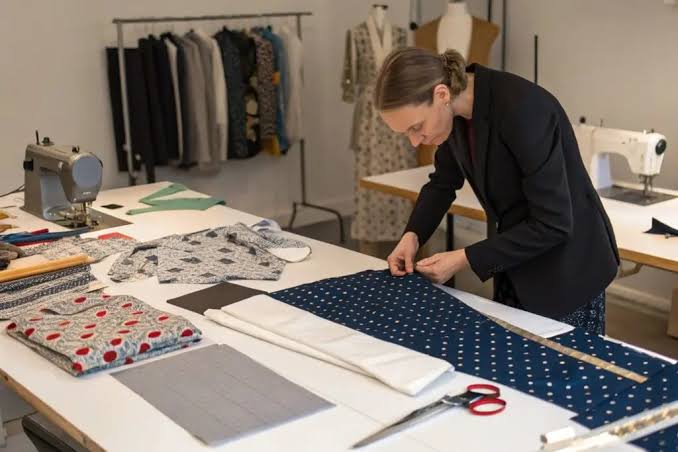
Manufacturers often assist with transforming sketches or digital concepts into production-ready garments.
This process may include:
- Design consultation
- Technical specifications
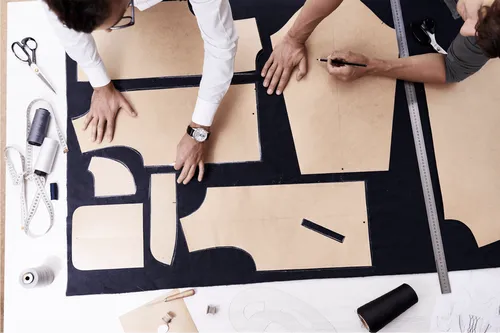
- Pattern development
- Size grading
Professional product development reduces production errors and improves garment quality.
Sample Production
Before full manufacturing begins, sample garments are created for approval.
Sampling allows brands to evaluate:
- Fabric quality
- Fit
- Construction
- Stitching
- Design accuracy
Making adjustments during this stage helps avoid costly production mistakes.
Fabric and Trim Sourcing
Reliable clothing manufacturers source high-quality materials from trusted suppliers.
Common fabric options include:
- Cotton
- Organic cotton
- French terry
- Linen
- Polyester blends
- Fleece
- Denim
- Performance fabrics
Manufacturers can also source trims such as zippers, buttons, labels, and custom packaging.
Custom Branding
Private label services allow businesses to create fully branded apparel.
Customization options often include:
- Woven labels
- Printed neck labels
- Hang tags
- Custom packaging
- Embroidery
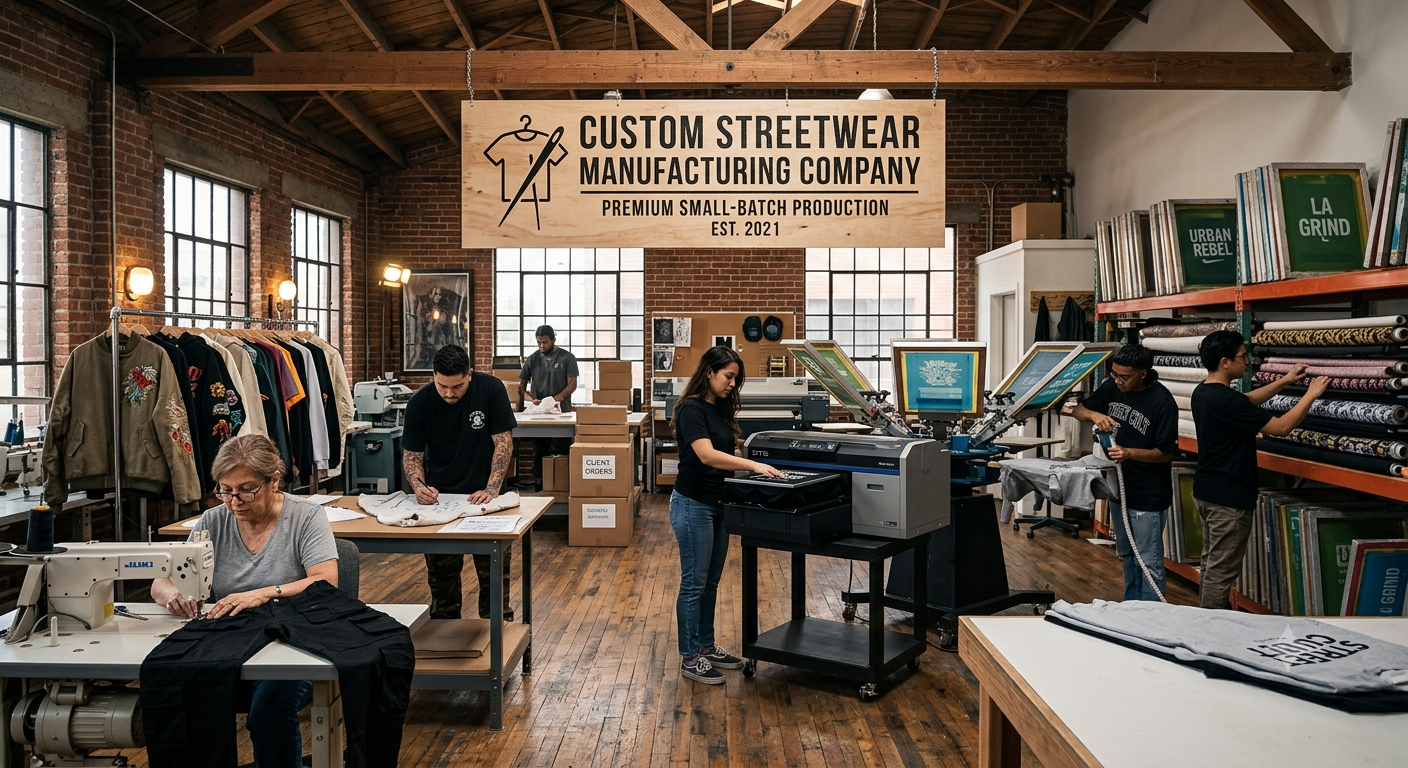
- Screen printing
- Heat transfer printing
These branding elements help create a professional customer experience.
Industries That Benefit from Low MOQ Clothing Manufacturing
Low minimum order production supports a wide range of apparel businesses, including:
- Startup clothing brands
- Boutique fashion labels
- Streetwear brands
- Activewear companies
- Children’s clothing businesses
- Sustainable fashion brands
- Corporate apparel suppliers
- Promotional clothing companies
- Online fashion retailers
Flexible manufacturing enables these businesses to grow gradually without overwhelming production costs.
How to Choose the Right Low Minimum Order Clothing Manufacturer
Selecting the right production partner is essential for long-term success.
Review Manufacturing Experience
Choose a manufacturer with experience producing apparel similar to your product line.
Review previous work, client testimonials, and production capabilities to assess whether they meet your quality expectations.
Request Samples
Always evaluate production samples before placing a bulk order.
Inspect:
- Stitch quality
- Fabric consistency
- Print durability
- Sizing accuracy
- Overall craftsmanship
Samples provide valuable insight into the manufacturer’s standards.
Understand Production Capacity
Although low minimum orders are beneficial, your manufacturer should also be capable of handling larger production volumes as your brand expands.
Ask about lead times, production schedules, and scalability.
Evaluate Communication
Clear communication is critical throughout the manufacturing process.
Reliable manufacturers provide regular updates, respond quickly to questions, and communicate honestly about production timelines and potential challenges.
Prioritize Ethical Manufacturing
Consumers increasingly prefer brands that prioritize responsible production.
Ask manufacturers about:
- Fair labor practices
- Sustainable materials
- Environmental certifications
- Waste reduction initiatives
- Quality assurance procedures
Ethical manufacturing strengthens your brand reputation and supports long-term growth.
Tips for Building a Strong Manufacturing Partnership
A successful relationship with your manufacturer goes beyond placing orders. Provide clear tech packs, approve samples carefully, and maintain open communication throughout production.
Pay invoices on time, share accurate forecasts, and offer constructive feedback after each order. A collaborative partnership encourages better service, smoother production, and consistent product quality as your business grows.
Conclusion
Partnering with a low minimum order clothing manufacturer is an excellent solution for startups, boutique brands, and growing fashion businesses that want flexibility without sacrificing quality. Low MOQ production reduces financial risk, supports product testing, and allows brands to respond quickly to changing market trends.
By selecting a manufacturer with proven experience, reliable communication, strong quality control, and scalable production capabilities, you can confidently build a clothing brand that stands out in today’s competitive fashion industry. As demand increases, your manufacturing partner can help you expand efficiently while maintaining the quality and consistency your customers expect.