The global fashion industry is more competitive than ever, making it essential for brands to offer products that combine exceptional quality, distinctive design, and consistent craftsmanship. One of the most effective ways to achieve this is through premium private label fashion production. By partnering with an experienced private label manufacturer, businesses can create exclusive clothing collections under their own brand while maintaining complete control over quality, branding, and customer experience.
Whether you’re launching a luxury fashion startup, expanding an established apparel business, or creating a premium lifestyle brand, private label manufacturing provides the flexibility and expertise needed to bring your vision to market. This guide explores the benefits of premium private label fashion production, the manufacturing process, and how to choose the right production partner.
What Is Premium Private Label Fashion Production?
Premium private label fashion production is the process of designing and manufacturing high-quality clothing that is sold exclusively under a brand’s own name. Unlike wholesale apparel, private label garments are customized with unique designs, premium materials, branded labels, and personalized packaging.
Manufacturers collaborate closely with brands throughout product development, ensuring every garment reflects the company’s identity, quality standards, and target audience.
This approach enables fashion businesses to build a recognizable brand while offering products that stand apart from mass-produced alternatives.
Why Choose Premium Private Label Manufacturing?
Private label production offers several advantages for brands that want to establish a strong presence in the fashion industry.
Build a Unique Brand Identity
Your brand is much more than a logo. Premium private label manufacturing allows you to create exclusive collections that reflect your design philosophy and appeal to your ideal customers.
Customization options include:
- Exclusive garment designs
- Custom sizing
- Premium fabrics
- Branded labels
- Luxury packaging
- Personalized trims and accessories
These details help create a memorable customer experience.
Maintain Superior Product Quality
Luxury fashion customers expect flawless construction, comfortable fabrics, and long-lasting durability.
Professional manufacturers implement strict quality control throughout production to ensure garments meet premium standards before shipment.
Consistent quality strengthens customer loyalty and encourages repeat purchases.
Increase Brand Value
Exclusive private label collections create a stronger market position than selling generic wholesale products.
Premium clothing often commands higher retail prices because customers recognize the added value of superior craftsmanship and unique branding.
The Premium Private Label Production Process
Working with an experienced manufacturer involves several important stages that transform creative concepts into finished garments.
Design Consultation
Every successful collection begins with a clear vision.
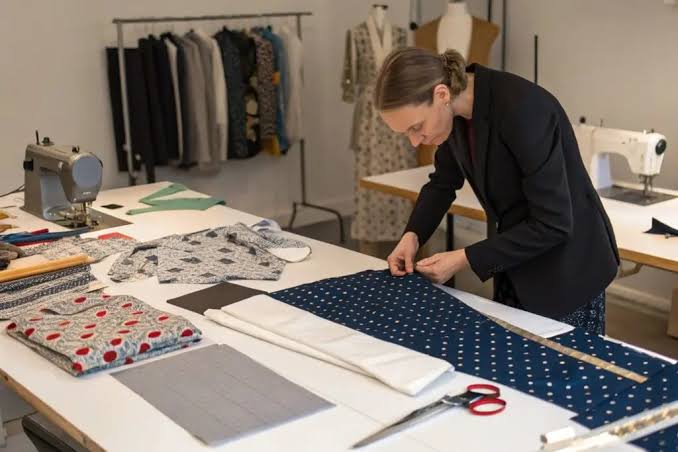
Manufacturers often assist brands by reviewing design concepts, recommending fabrics, refining garment details, and preparing technical specifications for production.
Early collaboration helps eliminate production challenges and ensures designs are commercially viable.
Pattern Making and Sample Development
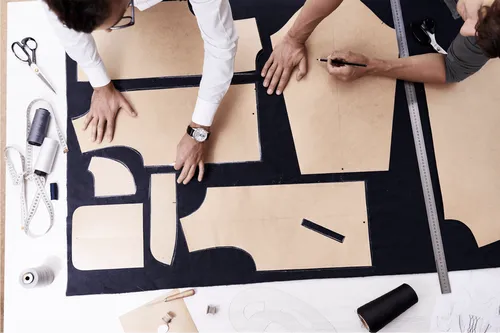
Professional pattern makers create accurate templates for each garment.
Prototype samples are then produced to evaluate:
- Fit
- Fabric performance
- Construction quality
- Overall appearance
Brands can make revisions before approving bulk production, reducing the likelihood of costly mistakes.
Fabric and Material Selection
Premium fashion depends on premium materials.
Manufacturers typically source high-quality textiles such as:
- Organic cotton
- Egyptian cotton
- Linen
- Silk
- Wool
- Cashmere
- French terry
- High-performance blends
- Sustainable fabrics
Selecting the right materials improves comfort, durability, and garment performance.
Custom Branding
Private label production includes complete branding solutions designed to enhance customer perception.
Common customization options include:
- Woven labels
- Printed neck labels
- Embroidered logos
- Custom buttons
- Luxury hang tags
- Branded packaging
- Care labels
- Custom zipper pulls
These branding elements contribute to a polished and professional presentation.
Products Commonly Manufactured Through Private Label Production
Premium manufacturers can produce a wide variety of apparel categories, including:
- Luxury T-shirts
- Hoodies
- Sweatshirts
- Dresses
- Jackets
- Blazers
- Denim collections
- Activewear
- Loungewear
- Knitwear
- Resort wear
- Children’s clothing
Many manufacturers also develop accessories such as hats, tote bags, scarves, and fashion essentials to complement apparel collections.
Benefits of Working with a Premium Fashion Production Partner
Choosing the right manufacturing partner offers long-term advantages beyond garment production.
Consistent Manufacturing Standards
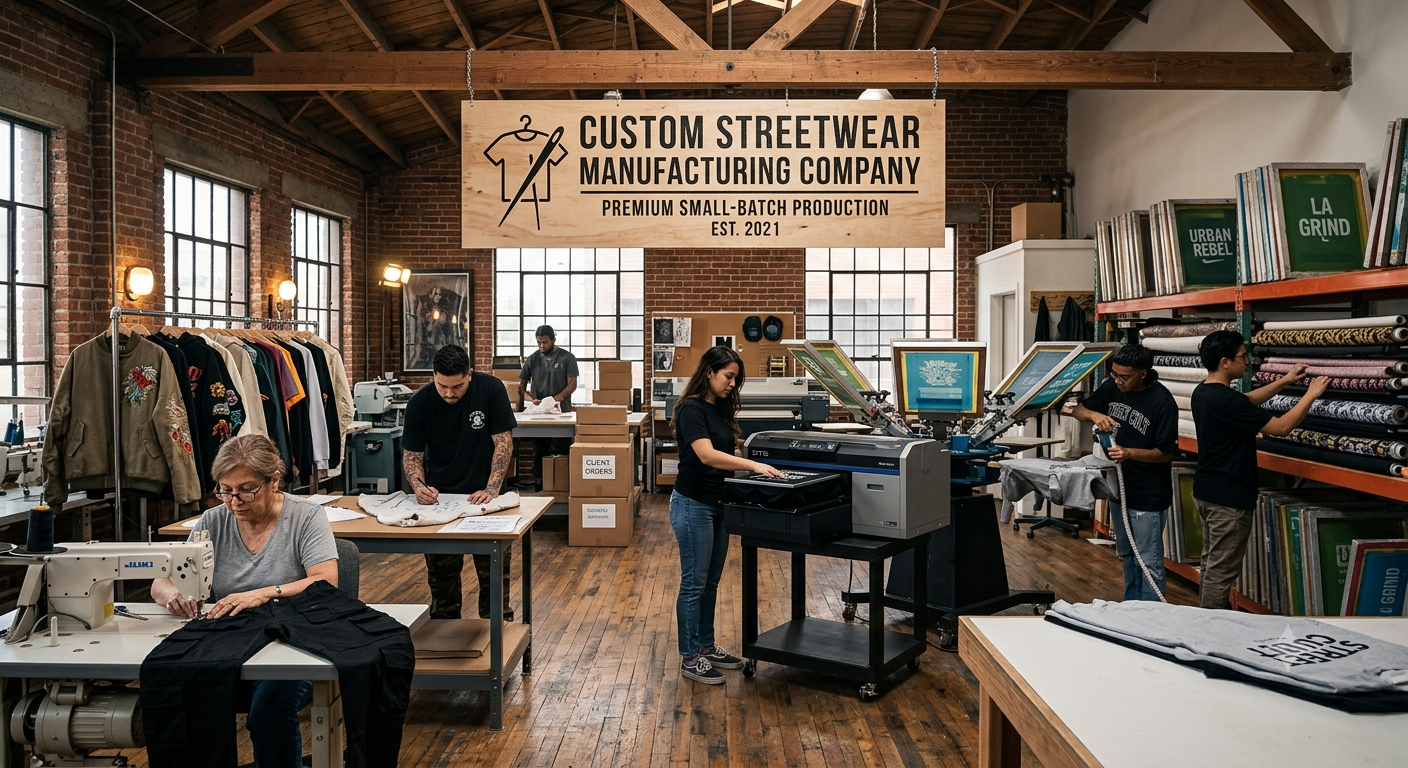
Professional factories maintain standardized production systems that ensure every garment meets the same level of quality regardless of order size.
This consistency helps protect your brand reputation.
Flexible Production Options
Many premium manufacturers support both low minimum order quantities and larger production runs.
This flexibility allows brands to launch small collections, test market demand, and scale production as sales increase.
Faster Product Development
Experienced manufacturers streamline the production process through efficient workflows, reducing the time between concept development and product launch.
This enables brands to respond quickly to seasonal trends and consumer preferences.
How to Choose the Right Premium Private Label Fashion Production Partner
Selecting a reliable manufacturer is one of the most important decisions for any fashion business.
Review Their Portfolio
Examine previous work to determine whether the manufacturer has experience producing premium garments similar to your collection.
Look closely at stitching, finishing, garment construction, and overall presentation.
Request Production Samples
Always evaluate physical samples before placing a large production order.
Pay attention to:
- Fabric quality
- Stitch consistency
- Garment fit
- Color accuracy
- Branding details
- Overall craftsmanship
Samples provide a clear understanding of manufacturing capabilities.
Assess Communication
Effective communication is essential throughout product development.
Choose a manufacturer that responds promptly, provides production updates, and remains transparent about timelines and pricing.
Verify Ethical Manufacturing Practices
Consumers increasingly value brands that prioritize responsible production.
Ask potential manufacturers about:
- Fair labor standards
- Sustainable fabric sourcing
- Environmental certifications
- Waste reduction initiatives
- Quality assurance systems
Ethical production supports long-term business growth while strengthening customer trust.
Building a Long-Term Manufacturing Partnership
The strongest fashion brands develop lasting relationships with trusted manufacturers. Sharing detailed tech packs, approving samples carefully, and maintaining consistent communication help create efficient production cycles.
As your production partner gains a deeper understanding of your brand standards, future collections become easier to manufacture with greater consistency and fewer revisions. A dependable partnership also supports product innovation and simplifies scaling as your business grows.
Conclusion
Investing in premium private label fashion production gives fashion brands the opportunity to create exclusive, high-quality apparel that reflects their unique identity. From premium fabrics and expert craftsmanship to custom branding and ethical manufacturing, private label production provides everything needed to build a recognizable and successful fashion label.
By choosing an experienced manufacturing partner with strong quality standards, flexible production capabilities, and transparent communication, you can confidently develop clothing collections that meet customer expectations and strengthen your position in the competitive fashion industry.