The journey from a fashion sketch to a finished garment requires more than creativity. It demands precision, technical expertise, and careful testing before production begins. This is where fashion sampling and prototyping services play a critical role. They help designers, startups, fashion brands, and apparel manufacturers transform concepts into wearable products while reducing costly production mistakes.
Whether you are launching a new clothing collection or refining an existing design, investing in professional sampling and prototyping ensures every detail is evaluated before mass manufacturing. From fabric selection to fit adjustments, these services provide the confidence needed to move forward with production.
What Are Fashion Sampling and Prototyping Services?
Fashion sampling and prototyping services involve creating physical garment samples based on technical designs, sketches, or digital patterns. These samples allow designers to inspect the fit, construction, stitching quality, fabric behavior, and overall appearance before approving bulk production.
A prototype acts as the first version of the garment, while additional samples may be created after revisions to achieve the desired quality and functionality.
Professional apparel sampling services often include:
- Pattern development
- Fabric sourcing
- Sample sewing
- Fit evaluation
- Design refinement
- Technical adjustments
- Pre-production sample approval
These steps ensure that manufacturers clearly understand the final product specifications.
Why Fashion Sampling Matters Before Production
Skipping the sampling phase can lead to manufacturing errors, increased costs, and delayed product launches. A well-developed sample identifies design flaws early, making corrections far less expensive than fixing problems during mass production.
Some key benefits include:
Improved Fit and Comfort
A sample garment allows designers to evaluate sizing, proportions, and movement. Fit sessions help ensure garments meet customer expectations across different body types.
Better Material Selection
Different fabrics behave differently when stitched and worn. Sampling helps determine whether the selected material delivers the desired look, durability, stretch, and comfort.
Reduced Production Risks
Testing a design before manufacturing minimizes quality issues, material waste, and costly production revisions.
Faster Product Development
A structured sampling process streamlines communication between designers and garment manufacturers, helping projects stay on schedule.
The Fashion Sampling Process
Professional clothing manufacturers follow a structured workflow to create accurate prototypes.
Design Consultation
The process begins with understanding the designer’s vision. This may include mood boards, sketches, reference images, measurement charts, and technical packs.
Clear communication at this stage prevents misunderstandings later in production.
Pattern Making
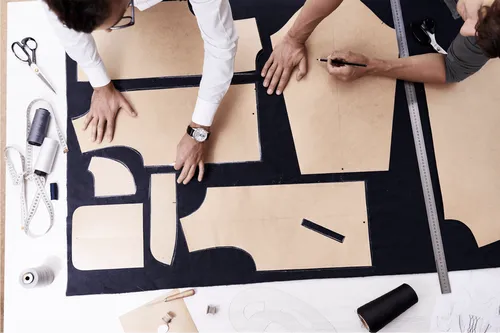
Pattern makers convert design concepts into production-ready patterns. Modern manufacturers often use CAD pattern-making software to improve precision and grading accuracy.
Well-designed patterns form the foundation of high-quality garments.
Fabric and Trim Selection
Choosing suitable fabrics, linings, zippers, buttons, labels, and accessories is essential for creating realistic samples.
Manufacturers may recommend alternative materials based on performance, cost, or availability.
Sample Construction
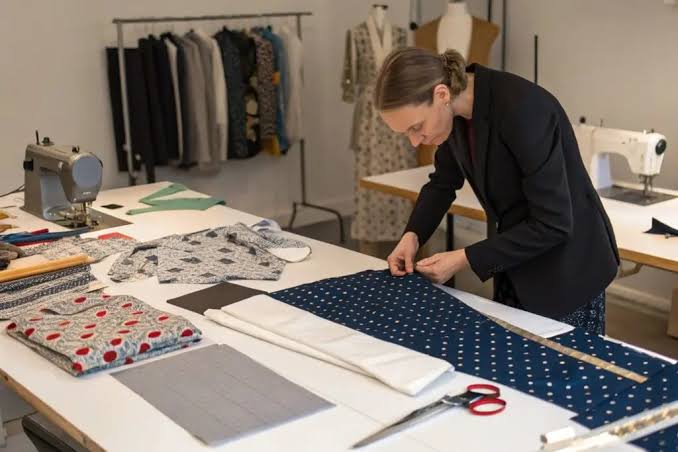
Experienced sample makers assemble the garment using production-quality techniques. Every stitch, seam, and finishing detail reflects how the final product will look.
Fit Testing and Revisions
The prototype undergoes detailed inspection to identify improvements. Designers may request changes to fit, silhouette, stitching, pocket placement, sleeve length, or overall construction.
Several revisions may be completed before final approval.
Types of Fashion Samples
Different stages of apparel development require different sample types.
Prototype Sample
The first physical version focuses on validating the design and overall garment construction.
Fit Sample
This sample evaluates sizing, comfort, and garment proportions.
Salesman Sample
Used for marketing, wholesale presentations, and buyer meetings before production begins.
Pre-Production Sample
This final approved sample serves as the manufacturing reference for bulk production.
Size Set Sample
Manufacturers create garments in multiple sizes to verify grading accuracy before production.
Who Needs Fashion Sampling and Prototyping Services?
Professional sampling services benefit businesses of all sizes.
Fashion Startups
New clothing brands can validate product ideas before investing in inventory.
Established Fashion Labels
Large brands use sampling to develop seasonal collections while maintaining consistent quality standards.
Private Label Businesses
Retailers launching private-label apparel rely on prototypes to ensure products match their branding requirements.
Independent Designers
Creative professionals can transform sketches into production-ready garments without maintaining in-house manufacturing facilities.
Choosing the Right Fashion Sampling Partner
Not every manufacturer offers the same level of expertise. Selecting an experienced sampling partner significantly improves product quality.
Consider these factors:
Technical Experience
Choose manufacturers experienced in your product category, whether it includes activewear, streetwear, luxury fashion, children’s clothing, or workwear.
Pattern Development Skills
Strong pattern-making capabilities ensure garments fit correctly and maintain consistency across production sizes.
Communication
Responsive communication speeds up revisions and prevents unnecessary production delays.
Quality Control
Reliable manufacturers inspect every sample for stitching quality, measurements, fabric consistency, and finishing before delivery.
Flexible Minimum Orders
Many emerging brands prefer manufacturers offering low minimum order quantities alongside professional sampling services.
Digital Innovation in Fashion Prototyping
Technology continues transforming apparel product development.
Many manufacturers now use 3D garment visualization, digital pattern software, and virtual fitting tools before producing physical samples. These innovations reduce development time, improve collaboration, and minimize material waste.
Although physical samples remain essential, digital prototyping helps designers evaluate garment proportions and styling more efficiently during the early design phase.
Best Practices for Successful Apparel Sampling
To achieve accurate results, designers should prepare detailed technical documentation before requesting samples.
Helpful materials include:
- Technical specification sheets
- Size charts
- Construction notes
- Fabric references
- Trim details
- Branding requirements
- Color palettes
Providing complete information allows manufacturers to create more accurate prototypes with fewer revisions.
Conclusion
Professional fashion sampling and prototyping services are an essential investment for any apparel brand aiming to deliver high-quality products. They bridge the gap between creative concepts and commercial production by validating design accuracy, improving garment fit, and reducing manufacturing risks.
Whether you are launching a startup clothing line, expanding a private label collection, or developing premium fashion products, an effective sampling process helps ensure every garment meets your quality standards before production begins. By partnering with an experienced apparel manufacturer, brands can shorten development timelines, minimize costly errors, and confidently introduce market-ready collections that satisfy both retailers and consumers.