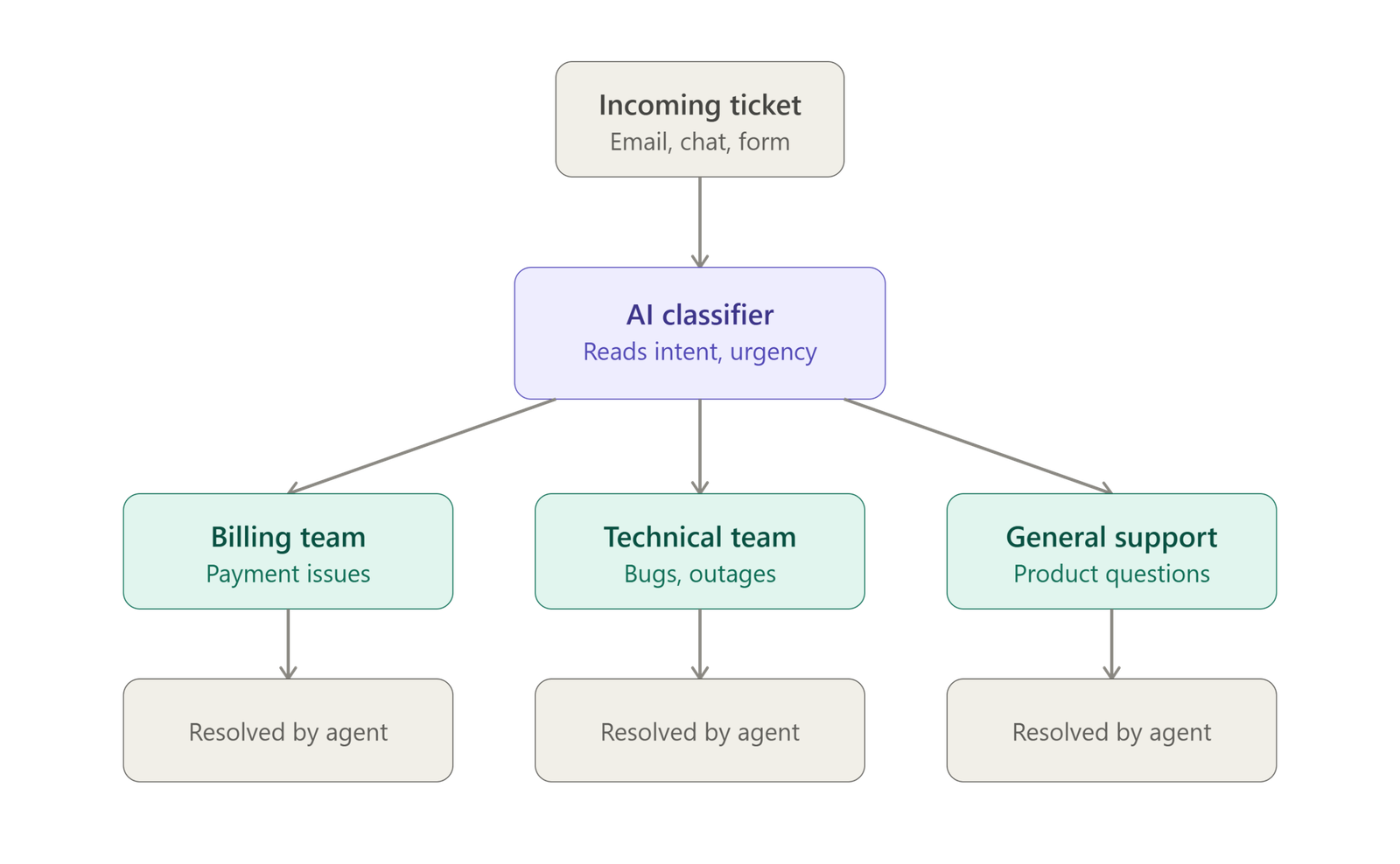
Every support team knows the pain of a cluttered ticket queue. Requests pile up, priorities blur, and agents waste time figuring out who should handle what. AI ticket routing solves this bottleneck by automatically directing incoming tickets to the right team or agent, based on content, urgency, and context.
As customer expectations rise and support volumes grow, businesses are turning to intelligent automation to keep response times low and satisfaction high. This article explores what AI ticket routing is, how it works, and why it’s becoming a core part of modern customer service operations.
What Is AI Ticket Routing?
AI ticket routing is the use of machine learning and natural language processing to automatically assign support tickets to the most appropriate agent, department, or workflow. Instead of relying on manual sorting or basic rule-based systems, AI models analyze the actual content of a ticket to understand intent, urgency, and complexity.
Must Read:AI Voice Bots
This means a billing complaint gets routed to the finance support team, a technical bug report goes to engineering, and a VIP customer’s urgent request jumps the queue — all without human intervention.
How It Differs from Traditional Routing
Traditional ticket routing relies on static rules: keywords, dropdown selections, or predefined categories chosen by the customer. These systems break down quickly when tickets are mislabeled, vague, or don’t fit neatly into existing categories.
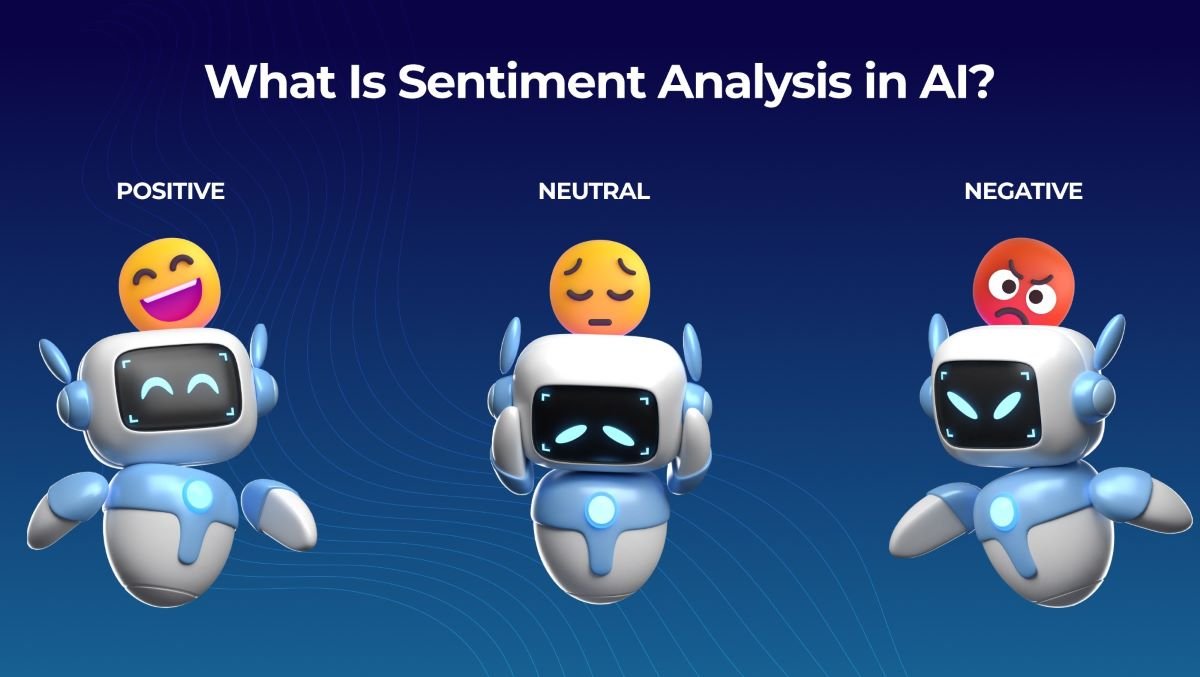
AI-driven systems, by contrast, interpret language the way a human would. They can detect sentiment, identify multiple issues within a single ticket, and adapt as new patterns emerge in customer behavior.
How AI Ticket Routing Works
Understanding the mechanics behind AI ticket routing helps clarify why it outperforms manual or rule-based alternatives.
Natural Language Understanding
At the core of any AI routing system is natural language processing (NLP). This technology reads incoming tickets — emails, chat messages, or form submissions — and extracts key information such as topic, product mentioned, and emotional tone.
Classification and Prioritization
Once the system understands the ticket’s content, it classifies the issue into a category and assigns a priority level. A ticket describing a total service outage, for example, is flagged as high priority, while a general product question is routed as standard.
Skill-Based Assignment
Modern platforms go a step further by matching tickets to agents based on skill sets, past performance, language proficiency, or workload. This ensures each ticket lands with someone genuinely equipped to resolve it quickly.
Continuous Learning
AI routing systems improve over time. As they process more tickets and receive feedback on resolution outcomes, the underlying models refine their accuracy, reducing misrouted tickets and shortening resolution cycles.
Key Benefits of AI Ticket Routing
Adopting AI ticket routing delivers measurable improvements across support operations.
Faster Response Times
By eliminating manual triage, tickets reach the right agent almost instantly. This dramatically cuts down the time customers wait for a first response.
Reduced Agent Workload
Support agents no longer need to sift through unrelated tickets or reassign misdirected requests. Their time is freed up for actual problem-solving rather than administrative sorting.
Improved Customer Satisfaction
When customers get accurate, timely help on the first attempt, satisfaction scores rise. Fewer transfers and repeated explanations mean a smoother overall experience.
Better Resource Allocation
Support leaders gain visibility into ticket volume, category trends, and team workload distribution, allowing them to staff and train more effectively.
Scalability During Peak Demand
During product launches, outages, or seasonal spikes, AI routing systems handle sudden surges in ticket volume without requiring an immediate increase in headcount.
Common Use Cases
AI ticket routing isn’t limited to customer service desks. It applies across several business functions.
IT Helpdesk Support
Internal IT teams use AI routing to direct hardware issues, software bugs, and access requests to specialized technicians, reducing downtime for employees.
E-Commerce Customer Service
Online retailers rely on AI routing to separate order issues, returns, and product inquiries, ensuring each type reaches a dedicated specialist.
SaaS and Technical Support
Software companies use routing systems to distinguish between billing questions, feature requests, and critical bugs, prioritizing based on customer tier and issue severity.
Choosing the Right AI Ticket Routing Solution
Not all platforms offer the same level of sophistication. When evaluating a solution, consider the following factors.
Integration Capabilities
The system should connect seamlessly with existing helpdesk software, CRM platforms, and communication channels like email, chat, and social media.
Customization Options
Look for platforms that allow you to define custom categories, priority rules, and escalation paths that reflect your specific business structure.
Transparency and Reporting
Effective solutions provide clear analytics on routing accuracy, resolution times, and agent performance, helping teams continuously optimize their workflows.
Final Thoughts
AI ticket routing has moved from a nice-to-have to a necessity for support teams aiming to stay competitive. By automating the tedious work of sorting and assigning tickets, businesses can respond faster, allocate resources more intelligently, and ultimately deliver a better customer experience.
As AI models continue to improve, ticket routing will only become more precise — turning what was once a manual bottleneck into a seamless, self-optimizing part of the support process.

2 thoughts on “AI Ticket Routing: The Smarter Way to Manage Customer Support”