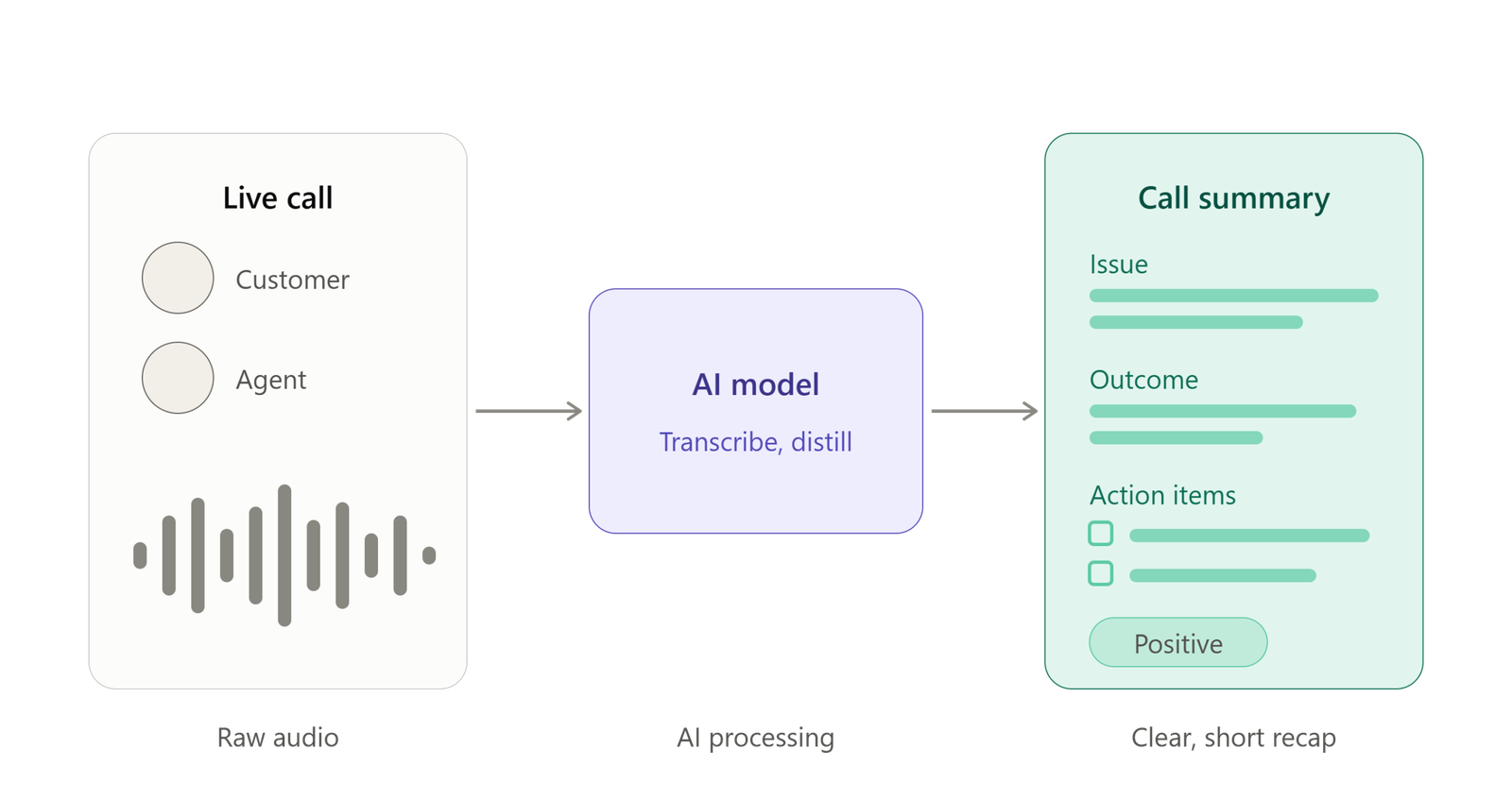
Business calls often contain valuable information, but manually reviewing every conversation can consume hours. Sales teams, customer support agents, recruiters, consultants, and managers regularly need to remember key points, decisions, questions, and follow-up tasks from calls.
AI call summarization solves this problem by using artificial intelligence to analyze conversations and automatically create concise summaries. Instead of listening to an entire recording again, users can quickly review the most important information and take action.
As businesses handle more voice conversations across phone systems, video meetings, and customer service platforms, AI-powered call summaries are becoming an important productivity tool.Ultimate Guide to AI Customer Support Software
What Is AI Call Summarization?
AI call summarization is the process of using artificial intelligence to convert a recorded or transcribed conversation into a short, structured summary.
Modern AI systems can analyze conversations using speech recognition, natural language processing, and large language models. The technology identifies important topics and creates a summary that may include:
- Main discussion points
- Customer questions
- Decisions and agreements
- Problems or concerns
- Follow-up actions
- Important dates or deadlines
- Customer requirements
- Sales opportunities
For example, a 30-minute sales call might be reduced to a summary containing the customer’s needs, budget range, objections, agreed next steps, and follow-up date.
How Does AI Call Summarization Work?
1. Call Recording or Audio Input
The process begins when an AI system receives a recorded call, meeting audio, or live conversation. Depending on the platform, the recording may come from a business phone system, conferencing application, contact center, or CRM.
2. AI Speech-to-Text Transcription
Speech recognition technology converts spoken language into written text. Advanced transcription systems can identify different speakers and handle natural conversation more effectively than traditional transcription software.
Accurate transcription is important because the quality of the final AI call summary depends heavily on how well the conversation is understood.
3. Conversation Analysis
After transcription, an AI model analyzes the conversation to identify relevant information. It can recognize topics, questions, customer intent, objections, decisions, and action items.
The system does not simply shorten every sentence. Instead, it attempts to determine which information is useful for the intended purpose.
4. Automated Summary Generation
The AI then creates a structured summary. Depending on the software, users may receive a short overview, detailed meeting notes, action-item list, or customized report.
Some systems can automatically send the summary to a CRM or collaboration platform after the call.
Key Benefits of AI Call Summarization
Saves Time
Manually taking notes or reviewing recordings can be extremely time-consuming. Automated call summaries allow employees to understand a conversation within minutes or seconds.
This gives teams more time to focus on customers, sales activities, problem-solving, and other important tasks.
Improves Productivity
AI-generated call notes reduce repetitive administrative work. Sales representatives, customer service agents, and managers do not have to spend large portions of their day writing summaries.
Automated documentation can also make internal workflows more efficient.
Captures Important Details
People can miss information during fast-moving conversations. AI call summarization provides another layer of documentation that can help preserve important details.
This is particularly useful when calls involve multiple requirements, technical questions, or follow-up commitments.
Supports Sales Teams
Sales representatives can use AI sales call summaries to identify customer needs, objections, product interests, and next steps.
A CRM can potentially be updated with relevant information without requiring the salesperson to manually write extensive notes after every call.
Enhances Customer Support
Customer support teams can use automated call summaries to document customer problems and previous interactions.
When another agent handles a future conversation, the summary can provide useful context without requiring the customer to explain everything again.
AI Call Summarization Use Cases
Sales Calls
Sales teams can summarize discovery calls, product demonstrations, negotiations, and follow-up conversations. Important information such as purchasing requirements and objections can be easier to track.
Customer Service Calls
Support departments can automatically document complaints, troubleshooting discussions, and resolutions.
Recruitment Interviews
Recruiters can use AI-generated interview summaries to organize candidate discussions and capture relevant responses. Organizations should still apply human review when making hiring decisions.
Internal Meetings
Companies can summarize team calls, project discussions, planning sessions, and management meetings. Action items can then be distributed to the appropriate employees.
Healthcare and Professional Services
Professionals who handle information-heavy conversations may use AI transcription and summarization to reduce documentation workloads. However, sensitive information requires appropriate privacy, security, and regulatory controls.
Features to Look for in AI Call Summary Software
Not every AI summarization platform provides the same capabilities. Businesses should consider several features before selecting a solution.
Accurate Transcription
The system should provide reliable speech recognition, including support for relevant accents, languages, terminology, and multiple speakers.
Custom Summary Templates
Different departments need different information. A sales team may want objections and next steps, while customer support may need issue descriptions and resolutions.
Custom templates can make summaries more useful.
Action Item Detection
A strong AI meeting summarizer should be able to identify tasks, responsibilities, and deadlines from conversations.
CRM Integration
Integration with CRM systems can reduce manual data entry and help teams keep customer records updated.
Security and Privacy
Call recordings and transcripts can contain confidential information. Businesses should evaluate data retention policies, access controls, encryption, and applicable privacy requirements before deploying an AI call summarization tool.
Challenges of AI Call Summarization
AI summarization is useful, but it is not perfect.
Poor audio quality, overlapping speakers, background noise, accents, technical terminology, and ambiguous statements can affect transcription accuracy. An AI model can also misunderstand context or leave out information that a human considers important.
For this reason, AI-generated summaries should be treated as productivity aids rather than automatically perfect records.
Human review remains important for sensitive conversations, legal matters, important customer commitments, and other high-stakes situations.
The Future of AI Call Summarization
AI call summarization is moving beyond simple note-taking. Future systems are likely to connect conversation intelligence with broader business workflows.
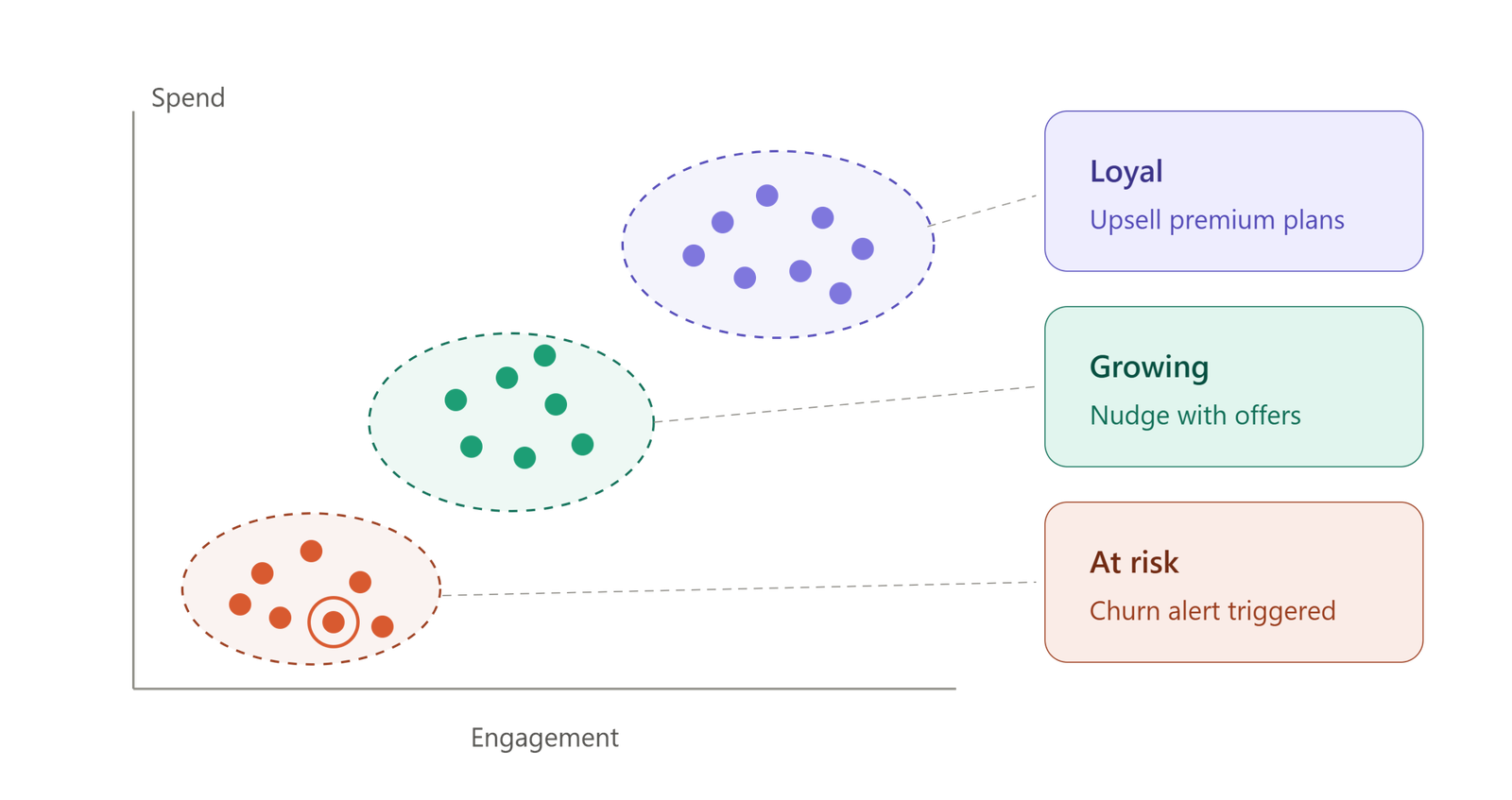
Instead of simply producing a summary, AI could identify customer intent, recommend follow-up actions, update business systems, detect recurring issues, and help teams analyze conversations at scale.
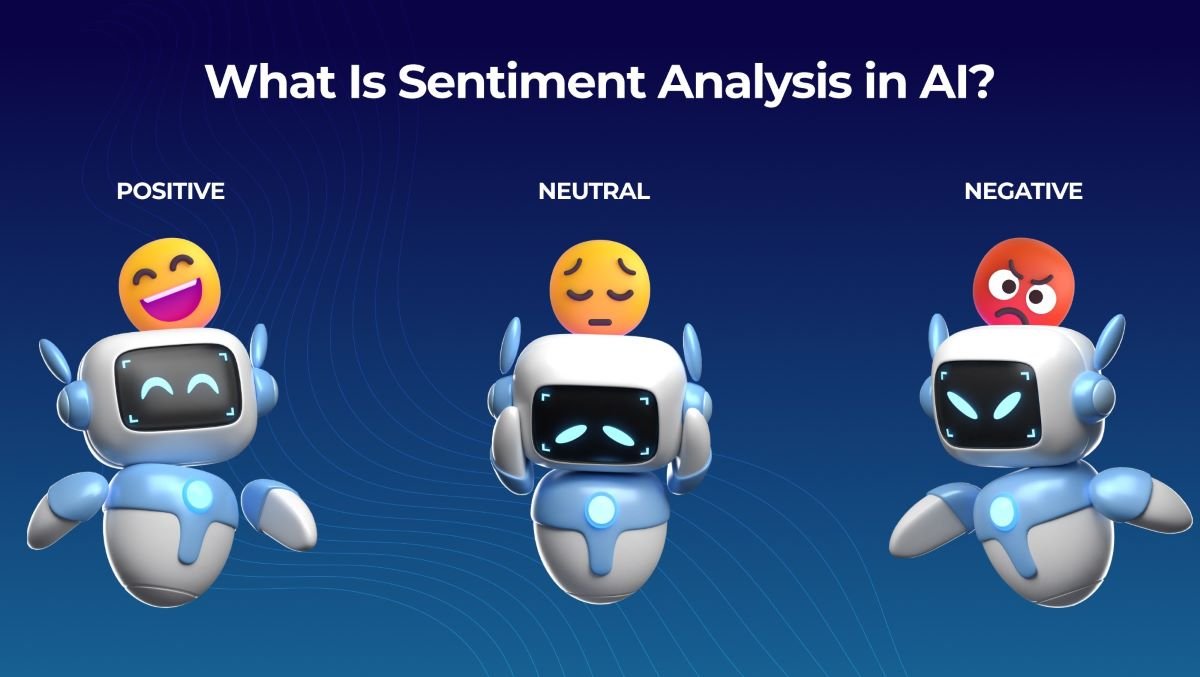
The combination of AI transcription, conversation intelligence, automated note-taking, sentiment analysis, and workflow automation could make voice conversations a more valuable source of business information.
Final Thoughts
AI call summarization helps businesses turn lengthy conversations into concise and actionable information. By combining speech recognition with natural language processing and AI-generated summaries, companies can reduce manual documentation and improve access to important conversation details.
The technology is particularly valuable for sales, customer service, recruitment, meetings, and other communication-heavy workflows. However, businesses should balance automation with human review, especially when conversations contain sensitive or high-impact information.
Used properly, AI call summarization can become more than a note-taking tool. It can serve as an important part of a modern workflow automation strategy, helping teams spend less time documenting conversations and more time acting on them.

2 thoughts on “AI Call Summarization: How AI Turns Conversations Into Actionable Insights”