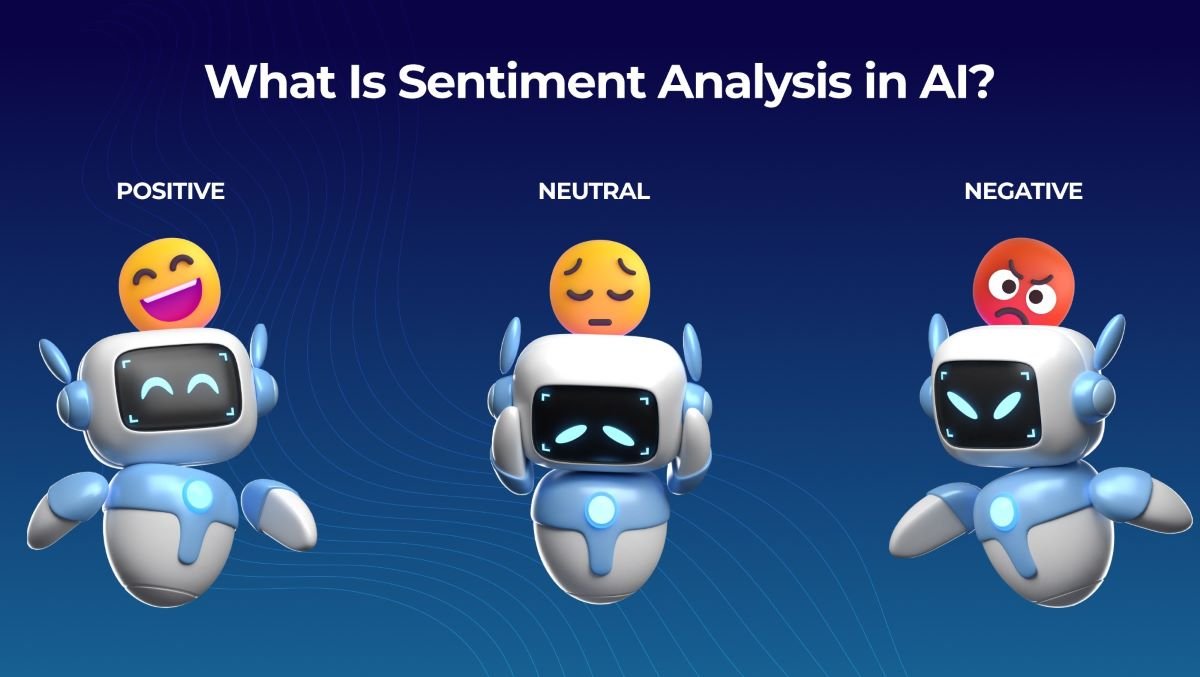
AI Sentiment Analysis is changing the way businesses understand what people think and feel about their products, services, and brands. Instead of manually reading thousands of reviews, emails, comments, or social media posts, companies can use artificial intelligence to analyze large amounts of text and identify emotional patterns.
Modern sentiment analysis tools can classify content as positive, negative, or neutral. More advanced systems can detect emotions such as frustration, satisfaction, anger, excitement, and disappointment. This makes AI sentiment analysis useful for customer experience, marketing, sales, product development, and reputation management.
What Is AI Sentiment Analysis?
AI Sentiment Analysis is a technology that uses artificial intelligence and natural language processing (NLP) to determine the emotional tone behind written or spoken content.
For example, consider the statement:Ultimate Guide to AI Customer Support Software
“The product arrived quickly, but the packaging was damaged.”
An AI system may identify both positive and negative sentiment within the same sentence. This is more useful than simply labeling the entire message as positive or negative.
Traditional sentiment analysis often relies on predefined rules. AI-powered systems can understand context, language patterns, and relationships between words, allowing them to process more complex customer feedback.
How Does AI Sentiment Analysis Work?
AI sentiment analysis generally combines several technologies to understand human language.
Natural Language Processing
NLP enables AI systems to process human language. It helps identify words, phrases, sentence structures, and contextual relationships.
For instance, the phrase “not bad” should not necessarily be interpreted as strongly negative. Modern language models can consider the surrounding context before determining sentiment.
Machine Learning
Machine learning models learn from large datasets containing examples of different types of sentiment. As they process more relevant data, these systems can become better at recognizing patterns.
Businesses can also train models using industry-specific data. This can improve accuracy when dealing with specialized terminology.
Emotion Detection
Advanced AI sentiment analysis software can go beyond positive, negative, and neutral classifications. It may identify specific emotions such as:
- Happiness
- Anger
- Frustration
- Sadness
- Satisfaction
- Fear
- Excitement
- Disappointment
This deeper analysis can give businesses a clearer understanding of customer experiences.
Why Is AI Sentiment Analysis Important for Businesses?
Businesses generate enormous amounts of customer feedback every day. Reviews, surveys, support conversations, social media comments, and emails can contain valuable information.
Reading all this information manually is time-consuming. AI sentiment analysis allows organizations to process large datasets quickly.
Improve Customer Experience
Companies can use sentiment analysis to identify unhappy customers and discover recurring problems.
For example, if many customers express frustration about delivery delays, a business can investigate its logistics process and address the underlying issue.
Monitor Brand Reputation
Online discussions can influence how people perceive a brand. AI-powered sentiment analysis can monitor mentions across different channels and identify changes in public sentiment.
Marketing teams can use this information to understand how audiences respond to campaigns, announcements, or new products.
Analyze Customer Reviews
Customer reviews contain valuable insights that may otherwise be difficult to organize.
AI can categorize thousands of reviews and identify common themes. A company might discover that customers appreciate product quality but frequently complain about customer service.
These insights can support better product and service decisions.
AI Sentiment Analysis in Marketing
Marketing teams can use sentiment analysis to understand audience reactions to campaigns.
Instead of focusing only on metrics such as clicks and impressions, marketers can analyze the emotional response behind customer comments.
For example, a campaign may receive significant engagement while generating mixed reactions. Sentiment analysis can help marketers understand whether that attention represents genuine interest, criticism, confusion, or enthusiasm.
This information can support content optimization, audience segmentation, and campaign planning.
AI Sentiment Analysis for Customer Support
Customer support is another important application.
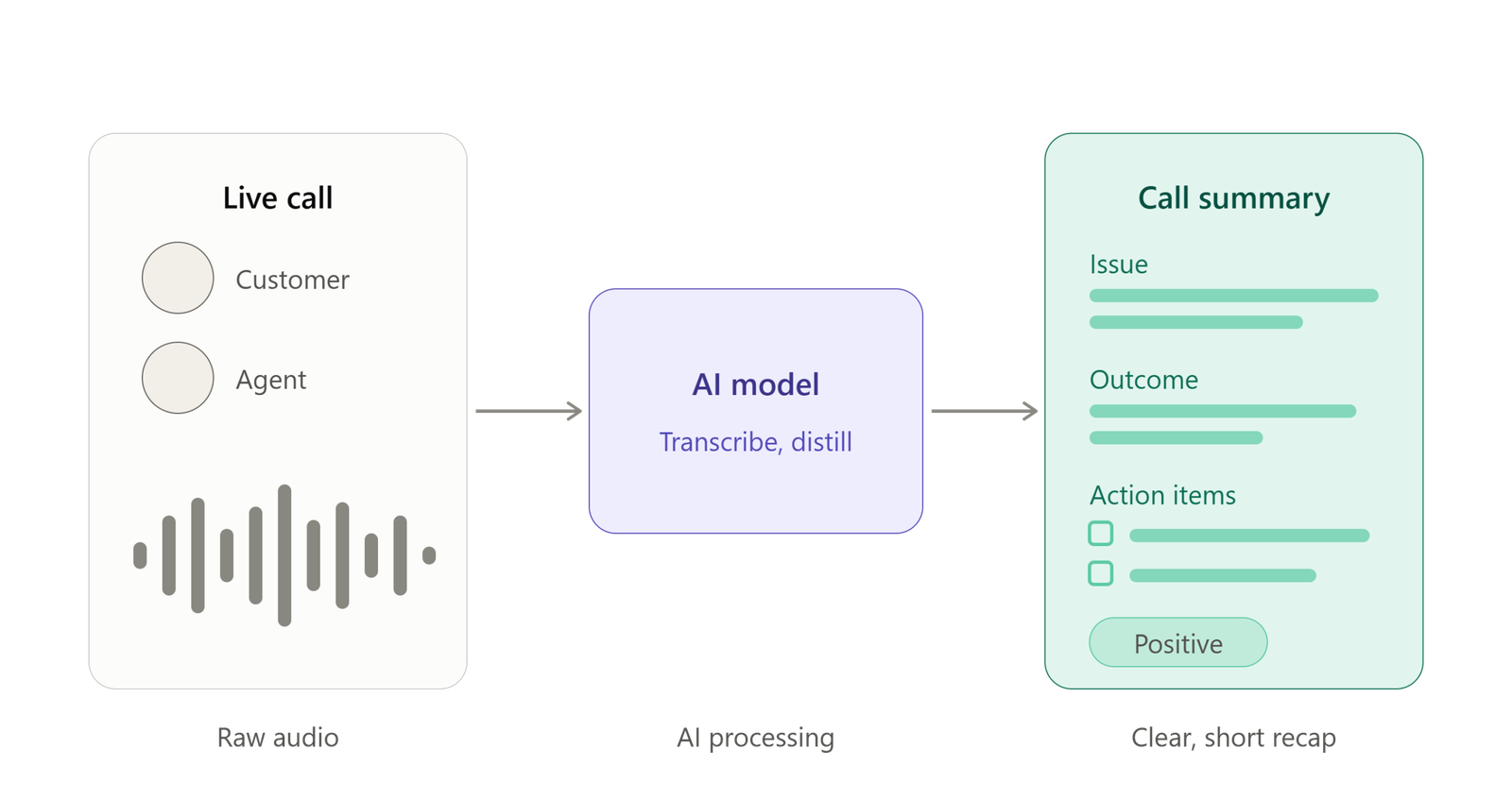
AI can analyze conversations in real time and identify customers who appear highly frustrated. Support teams can use these signals to prioritize certain conversations.
Sentiment detection can also help companies evaluate support interactions. If negative sentiment repeatedly appears after particular types of responses, managers can investigate whether additional training or improved processes are needed.
Social Media Sentiment Analysis
Social media generates a constant stream of public opinions.
AI social media sentiment analysis can examine posts, comments, and discussions to identify general attitudes toward a brand, product, topic, or campaign.
Businesses can use these insights to track trends and understand how conversations change over time.
However, social media language can be difficult for AI to interpret. Sarcasm, slang, jokes, memes, and cultural references can sometimes produce inaccurate results.
Benefits of AI Sentiment Analysis
Organizations can gain several benefits from implementing sentiment analysis tools.
Faster Data Analysis
AI can process large quantities of text much faster than manual analysis.
Better Decision-Making
Sentiment data can reveal customer concerns and preferences that may not be obvious from basic performance metrics.
Early Problem Detection
A sudden increase in negative sentiment can indicate emerging problems with a product, service, or customer experience.
Scalable Customer Insights
Businesses can analyze feedback from thousands or millions of interactions without manually reviewing every message.
Challenges and Limitations
Despite its benefits, AI sentiment analysis is not perfect.
Language is complicated. The same word can have different meanings depending on context. Sarcasm, irony, spelling errors, mixed emotions, and cultural differences can make classification difficult.
Data quality is another concern. If an AI model is trained on biased or unrepresentative data, its results may also be biased.
Privacy should also be considered when analyzing customer conversations or personal information. Businesses should establish appropriate data-handling policies and follow applicable privacy requirements.
How to Choose an AI Sentiment Analysis Tool
When evaluating an AI sentiment analysis tool, businesses should consider several factors.
Look for strong language-processing capabilities, support for the languages your customers use, integration with existing systems, reporting features, customization options, and transparent data practices.
Accuracy should also be evaluated using real business data rather than relying solely on a vendor’s general claims.
The Future of AI Sentiment Analysis
AI sentiment analysis is becoming increasingly sophisticated as language models improve. Future systems are likely to combine sentiment detection with contextual understanding, customer history, voice analysis, and real-time interaction data.
Instead of simply identifying whether a customer is positive or negative, AI systems can provide a more detailed picture of customer intent, emotional state, and underlying concerns.
For businesses, this creates an opportunity to move from basic feedback collection toward continuous customer intelligence.
Conclusion
AI Sentiment Analysis provides businesses with a practical way to understand large volumes of human feedback. By combining natural language processing, machine learning, and emotion detection, it can uncover patterns across reviews, support conversations, surveys, and social media.
Technology is not a replacement for human judgment. Instead, it works best as an analytical layer that helps teams discover important patterns faster and make more informed decisions. When implemented responsibly and evaluated against real-world data, AI sentiment analysis can become a valuable part of modern customer experience and business intelligence strategies.

One thought on “AI Sentiment Analysis: How Artificial Intelligence Understands Customer Emotions”