An AI Virtual Receptionist is changing how businesses handle incoming calls, customer questions, appointments, and routine communication. Instead of relying entirely on a traditional receptionist, companies can use artificial intelligence to answer calls, understand requests, provide information, and route conversations to the right person.
As businesses look for affordable ways to improve customer service, AI receptionist technology is becoming increasingly useful for small businesses, startups, professional services, clinics, real estate companies, and online businesses.
What Is an AI Virtual Receptionist?
An AI Virtual Receptionist is an artificial intelligence-powered system designed to manage customer communication, particularly incoming phone calls and routine inquiries.
Unlike a basic automated phone menu, an AI receptionist can understand natural language and respond conversationally. Customers can explain what they need without necessarily following a rigid sequence of menu options.
Depending on the system, an AI receptionist for small business can answer frequently asked questions, collect customer information, schedule appointments, transfer calls, and send follow-up messages.Ultimate Guide to AI Customer Support Software
How Does an AI Virtual Receptionist Work?
AI virtual receptionist software combines several technologies to handle conversations.
Speech Recognition
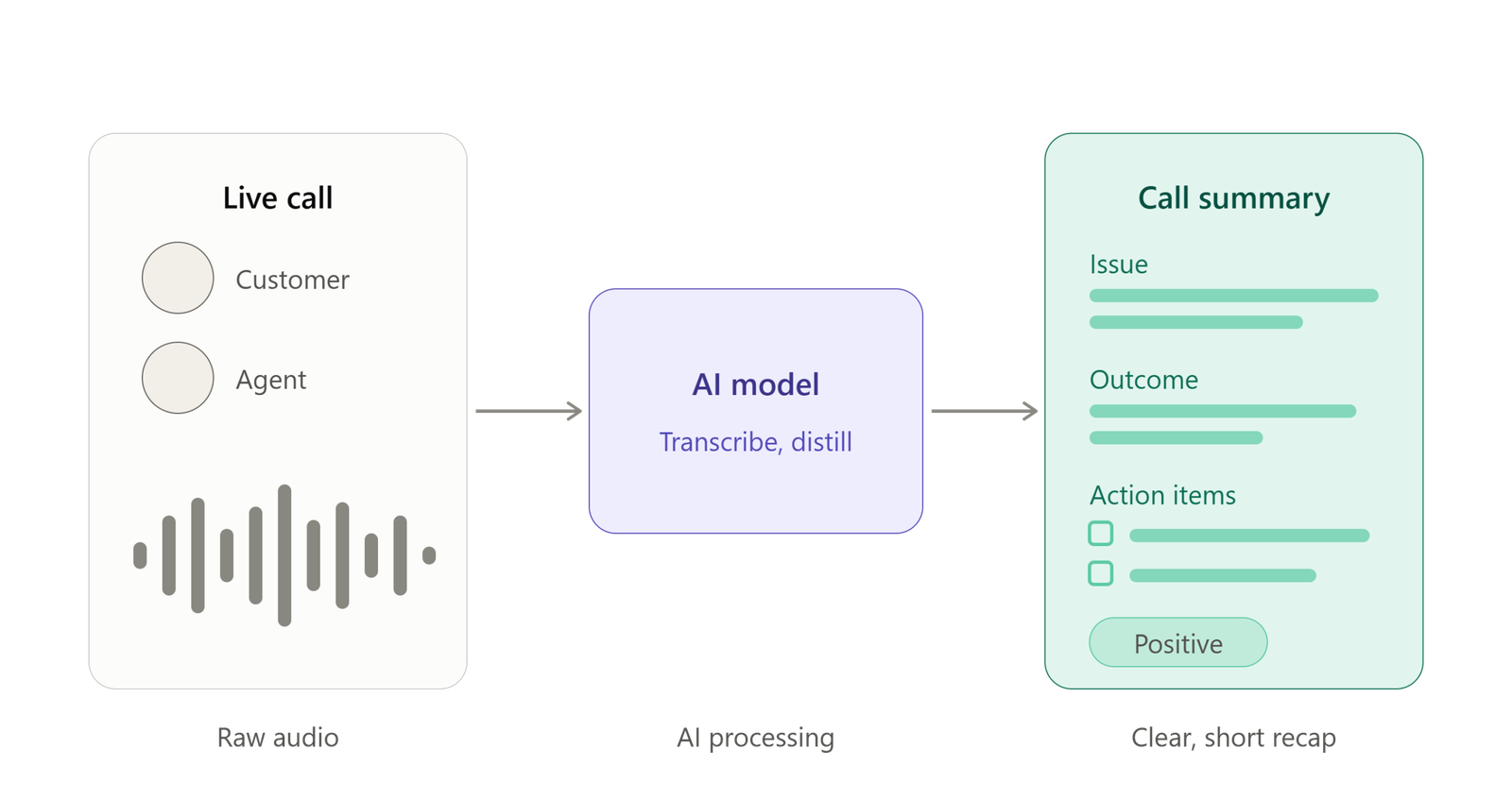
When a customer calls, speech recognition converts spoken language into text or another machine-readable format. The system can then analyze the customer’s request.
Modern speech recognition technology can handle different accents, speaking styles, and conversational language, although performance varies between systems.
Natural Language Processing
Natural language processing helps the AI understand the meaning behind a customer’s words.
For example, a caller might say, “I need to move my appointment to Friday afternoon.” The AI can identify that the customer wants to reschedule rather than simply recognizing individual words.
AI Voice Generation
After understanding the request, the system generates a response using an AI-generated voice.
This allows conversations to feel more natural than traditional recorded phone menus.
Business System Integration
An advanced AI virtual receptionist service can connect with calendars, customer relationship management systems, help desks, booking platforms, and other business software.
This allows the receptionist to perform useful actions instead of simply providing information.
Key Features of an AI Virtual Receptionist
The exact capabilities vary between providers, but many AI receptionist systems offer a combination of features.
24/7 Call Answering
An AI receptionist can potentially respond to calls outside normal business hours. This helps businesses avoid missing inquiries when employees are unavailable.
For companies serving customers across different time zones, continuous availability can be particularly useful.
Appointment Scheduling
AI receptionists can connect with scheduling systems to help customers book, reschedule, or cancel appointments.
For service businesses, this can reduce the amount of repetitive scheduling work handled by employees.
Call Routing
An AI receptionist can determine why someone is calling and direct the conversation appropriately.
For example, a sales inquiry can be routed to a sales representative, while a billing question can be sent to the appropriate department.
Frequently Asked Questions
Businesses receive many repetitive questions about prices, opening hours, services, locations, availability, and policies.
An AI phone receptionist can answer approved questions automatically, allowing employees to focus on more complicated customer requests.
Benefits of Using an AI Virtual Receptionist
The biggest advantage is not simply automation. The real value comes from reducing repetitive communication work while maintaining a consistent customer experience.
Reduce Administrative Work
Employees often spend significant time answering routine calls and collecting basic information.
Automating these tasks can give staff more time for activities that require human judgment.
Improve Response Times
Customers generally do not want to wait unnecessarily for simple answers.
An AI receptionist can respond immediately to many routine requests, reducing delays.
Support Small Businesses
Hiring a full-time receptionist may not fit every company’s budget.
An AI receptionist for small business can provide automated call-handling capabilities without requiring a traditional front-desk structure.
However, businesses should compare the total cost, features, usage limits, and integration requirements before choosing a solution.
Capture More Leads
Missed calls can represent missed business opportunities.
An AI receptionist can answer incoming inquiries, collect contact information, and potentially schedule a follow-up when employees are unavailable.
This can be particularly useful for businesses where phone calls are an important source of leads.
AI Virtual Receptionist vs. Traditional Receptionist
AI and human receptionists serve different purposes.
A human receptionist can understand complicated situations, recognize subtle emotional cues, make flexible decisions, and handle unusual requests.
An AI receptionist, on the other hand, can automate repetitive tasks, handle multiple conversations, and operate according to predefined business rules.
For many organizations, the most practical approach may be a combination of both. AI can handle routine interactions while human employees take over conversations that require judgment or personal attention.
Common Use Cases
AI virtual receptionists can be used across many industries.
Healthcare and Clinics
They can help manage appointment requests, provide basic office information, and route calls to appropriate staff.
Healthcare organizations should pay particular attention to privacy, security, and applicable regulatory requirements when implementing AI communication systems.
Real Estate
Real estate companies can use AI receptionists to answer basic property questions, collect prospective buyer information, and schedule consultations.
Legal Services
Law firms can use automated reception systems to collect basic caller details and direct inquiries to the appropriate team.
Sensitive legal matters should still be handled by qualified professionals.
Home Service Businesses
Plumbers, electricians, cleaning companies, repair services, and contractors can use AI phone systems to capture inquiries when technicians are working or unable to answer.
Challenges to Consider
AI virtual receptionist technology has limitations.
Voice recognition can occasionally misunderstand callers, especially when audio quality is poor or conversations involve unusual terminology.
AI systems can also provide incorrect information if their business knowledge is outdated or poorly configured.
Businesses should therefore establish clear escalation rules. Customers should have a straightforward way to reach a human when the AI cannot confidently resolve an issue.
Privacy and data security are also important considerations because phone conversations may contain personal or confidential information.
How to Choose an AI Virtual Receptionist
Before selecting an AI virtual receptionist software, evaluate its voice quality, accuracy, integrations, call-routing capabilities, scheduling features, customization options, analytics, security controls, and pricing structure.
Test the system using realistic customer questions rather than relying only on demonstrations.
It is also important to determine what happens when the AI cannot answer a question. A reliable human handoff process can make a major difference to the customer experience.
The Future of AI Receptionist Technology
AI virtual receptionists are likely to become more conversational and context-aware as voice AI continues to develop.
Future systems may combine voice conversations with customer history, business workflows, appointment systems, and personalized follow-ups.
The goal is not simply to replace a phone operator. It is to create an intelligent communication layer that can handle routine interactions while allowing human employees to concentrate on work where their expertise matters most.
Conclusion
An AI Virtual Receptionist offers businesses a practical way to automate incoming calls, appointment scheduling, customer questions, lead capture, and call routing.
Its value depends heavily on implementation. A poorly configured system can frustrate customers, while a well-designed system can reduce repetitive work and improve response availability.
For businesses considering this technology, the best starting point is to identify repetitive call tasks, define which interactions should remain human-led, and then choose an AI receptionist solution that fits those specific workflows.