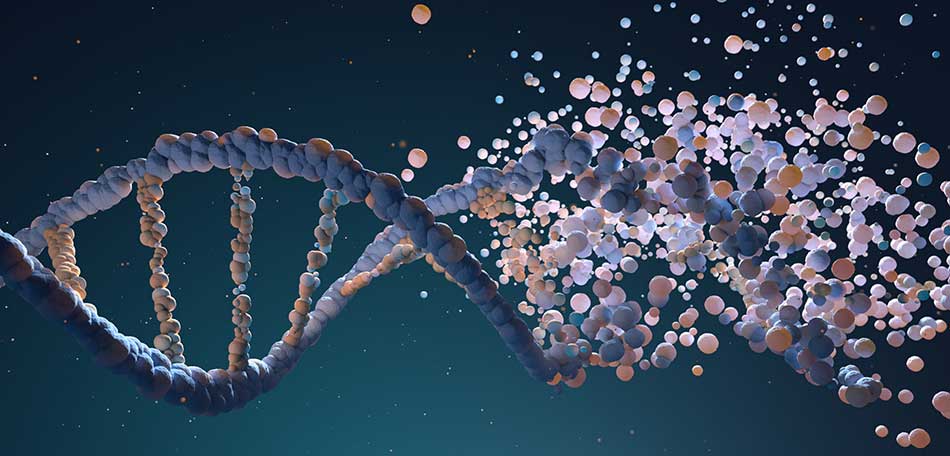
Bioinformatics is a branch of science that combines biology, computer science, mathematics, and information technology to collect, store, analyze, and interpret biological data. It helps scientists understand living organisms by using computers and software tools to study biological information. The field became important with the rapid growth of biological data generated from research in genetics, molecular biology, and biotechnology. Since biological information is often very large and complex, traditional methods are not enough to handle it. Bioinformatics provides efficient ways to manage and analyze this information. It plays a vital role in modern biological research and has become an essential tool in healthcare, agriculture, pharmaceuticals, and environmental science.
Meaning and Definition of Bioinformatics
Bioinformatics can be defined as the application of computational methods and technology to organize, analyze, and understand biological data. The word “bioinformatics” is formed from two terms: “biology” and “informatics.” Biology refers to the study of living organisms, while informatics refers to the processing and management of information. Therefore, bioinformatics involves using computers and software to solve biological problems. Scientists use bioinformatics to study genes, proteins, DNA sequences, and other biological molecules. It allows researchers to identify patterns, make predictions, and gain valuable insights into biological processes.
History and Development of Bioinformatics
The development of bioinformatics began when scientists started generating large amounts of biological data that required computer-based analysis. In the 1960s and 1970s, researchers developed the first databases for storing protein and DNA sequences. As computer technology improved, more advanced tools were created for analyzing biological information. The Human Genome Project, launched in 1990, significantly increased the importance of bioinformatics. This international project aimed to identify and map all human genes. The enormous amount of data produced during the project could only be managed through bioinformatics techniques. Since then, bioinformatics has continued to grow rapidly and has become one of the most important fields in modern science.
Major Components of Bioinformatics
Bioinformatics consists of several important components that work together to analyze biological information. The first component is data collection, where biological data such as DNA sequences, protein structures, and gene expression information are gathered. The second component is data storage, which involves organizing information in specialized databases. The third component is data analysis, where computational tools and algorithms are used to examine the data and identify meaningful patterns. The final component is interpretation, where researchers use the results to understand biological functions and processes. These components help scientists transform raw biological data into useful scientific knowledge.
Applications of Bioinformatics
Bioinformatics has a wide range of applications in different areas of science and medicine. In healthcare, it helps researchers identify disease-causing genes and develop personalized treatments based on a patient’s genetic information. It is also used in drug discovery, where scientists analyze biological data to identify potential drug targets and develop new medicines. In agriculture, bioinformatics helps improve crop quality, increase productivity, and develop disease-resistant plant varieties. Environmental scientists use bioinformatics to study biodiversity and monitor ecosystems. Additionally, bioinformatics plays an important role in forensic science by assisting in DNA analysis for criminal investigations and identification purposes.
Bioinformatics in Genomics
Genomics is the study of an organism’s complete set of genes, known as the genome. Bioinformatics is essential in genomics because genome data is extremely large and complex. Scientists use bioinformatics tools to sequence, store, and analyze genetic information. These tools help identify genes, understand their functions, and study genetic variations among individuals. Genomic research has improved our understanding of inherited diseases, evolutionary relationships, and human biology. Through bioinformatics, researchers can compare genomes from different species and gain insights into how organisms have evolved over time.
Bioinformatics in Proteomics
Proteomics is the study of proteins and their functions within living organisms. Proteins are essential molecules that perform many biological activities, including cell growth, metabolism, and immune responses. Bioinformatics helps scientists analyze protein sequences, structures, and interactions. Specialized software can predict protein functions and determine how proteins interact with one another. Understanding proteins is important for discovering new treatments for diseases and improving medical research. Bioinformatics tools allow researchers to process large amounts of protein-related data efficiently and accurately.
Tools and Databases Used in Bioinformatics
Bioinformatics relies on various software tools and databases to manage and analyze biological information. Databases store large collections of genetic and protein data that researchers can access worldwide. Common bioinformatics databases contain DNA sequences, protein structures, and scientific research findings. Software tools are used for sequence alignment, gene prediction, protein modeling, and evolutionary analysis. These tools help scientists compare biological sequences, identify similarities, and understand the relationships between different organisms. The availability of these resources has greatly accelerated biological research and scientific discoveries.
Importance of Bioinformatics
The importance of bioinformatics continues to increase as biological data grows rapidly. It enables scientists to analyze information quickly and accurately, saving both time and resources. Bioinformatics supports advances in medical diagnosis, disease prevention, drug development, and genetic engineering. It also helps researchers understand complex biological systems and discover new biological knowledge. Without bioinformatics, managing and interpreting modern biological data would be extremely difficult. The field serves as a bridge between biology and technology, making scientific research more efficient and effective.
Conclusion
Bioinformatics is an interdisciplinary field that combines biology, computer science, mathematics, and information technology to analyze biological data. It has revolutionized scientific research by providing powerful tools for studying genes, proteins, and other biological molecules. Bioinformatics plays a crucial role in genomics, proteomics, healthcare, agriculture, environmental science, and drug discovery. Its ability to manage and interpret large amounts of biological information has transformed modern biology and medicine. As technology continues to advance, bioinformatics will become even more important in solving biological challenges and improving human health and scientific understanding.