In today’s highly competitive digital marketplace, the first interaction a customer has with a business often determines the future of that relationship. Whether a company sells software, financial services, healthcare solutions, or e-commerce products, delivering a seamless onboarding journey has become a strategic necessity rather than a convenience. AI customer onboarding software is transforming this critical process by combining artificial intelligence, machine learning, workflow automation, and predictive analytics into a unified platform that guides customers from registration to successful product adoption. Instead of relying on repetitive manual tasks, businesses can now create personalized onboarding experiences that adapt to each customer’s behavior, preferences, and progress in real time. This intelligent approach shortens activation timelines, minimizes customer frustration, reduces administrative workload, and significantly improves long-term engagement.
What Is AI Customer Onboarding Software?
AI customer onboarding software is a digital platform designed to automate and optimize the process of welcoming new customers using artificial intelligence. Rather than presenting every user with the same sequence of steps, the software analyzes customer profiles, industry type, previous interactions, goals, and usage patterns to create a tailored onboarding pathway. It can automatically verify customer information, recommend relevant product features, answer questions through conversational AI, schedule training sessions, generate personalized checklists, and monitor progress without continuous human supervision.
Unlike traditional onboarding systems that follow static workflows, AI-powered solutions continuously learn from customer interactions. As more data becomes available, the platform refines its recommendations, identifies potential obstacles before they become serious issues, and delivers proactive guidance that helps customers achieve value faster. This adaptive capability enables organizations to offer an engaging experience that feels individualized while remaining highly scalable.
Key Features That Differentiate AI-Powered Onboarding Platforms
Modern AI customer onboarding software incorporates a diverse collection of intelligent capabilities that extend well beyond simple workflow automation. One of its strongest features is personalized onboarding journeys, where every customer receives recommendations based on business size, role, objectives, or purchasing behavior. Instead of overwhelming users with unnecessary information, the system introduces relevant tools gradually, making the learning curve much smoother.
Another important feature is AI-driven document processing. Advanced optical character recognition (OCR) and intelligent data extraction automatically read submitted documents, validate customer information, detect inconsistencies, and accelerate identity verification. This dramatically reduces processing time while minimizing manual errors.
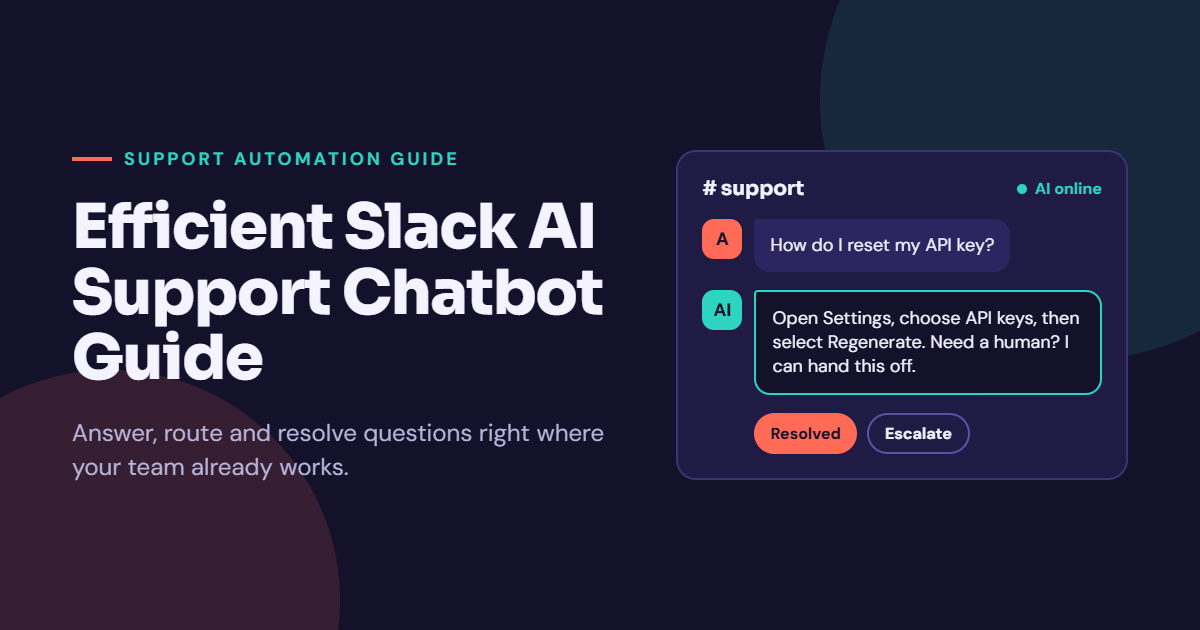
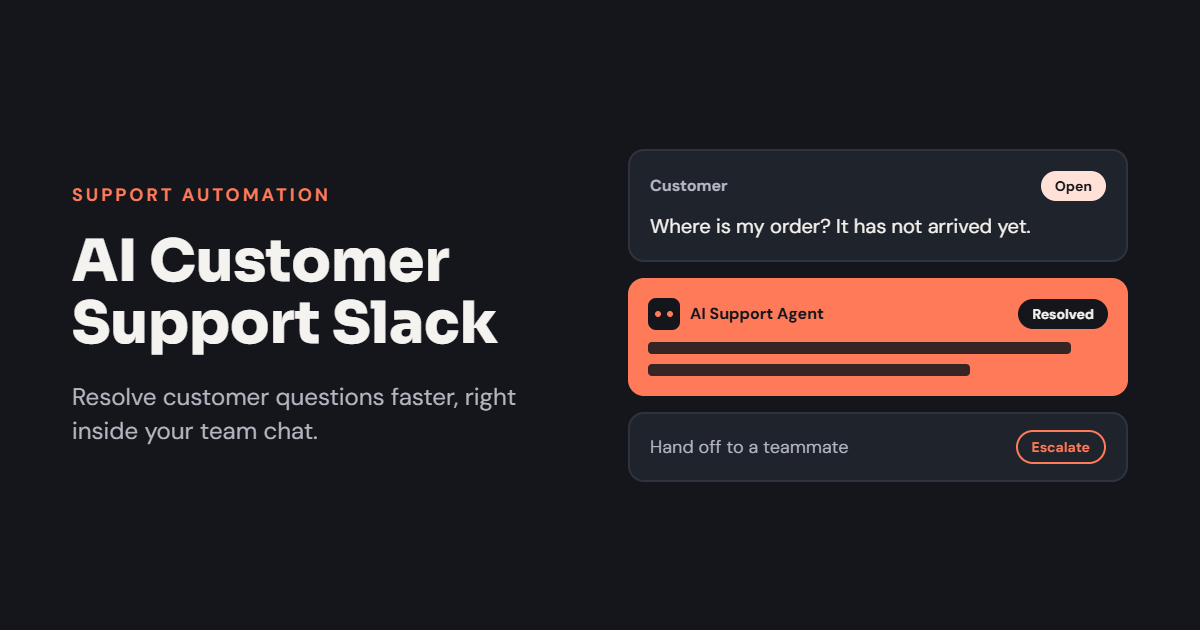
Natural language chatbots and virtual onboarding assistants provide immediate answers to frequently asked questions at any time of day. These AI assistants guide users through setup procedures, explain product functionality, troubleshoot common issues, and escalate complex inquiries to human representatives only when necessary.
Behavioral analytics also plays an essential role. The platform monitors how customers interact with the product, identifies incomplete onboarding activities, predicts potential drop-off points, and automatically triggers personalized reminders or educational content to keep users engaged throughout the onboarding journey.
Benefits for Businesses
Organizations adopting AI customer onboarding software experience improvements across multiple operational areas. One of the most noticeable advantages is increased efficiency. Routine administrative activities such as account creation, document verification, approval workflows, and welcome communications become automated, allowing employees to focus on strategic customer relationships rather than repetitive tasks.
Customer satisfaction also improves because users receive faster responses, clearer instructions, and individualized guidance from the moment they sign up. A frictionless onboarding experience creates positive first impressions that strengthen customer confidence and encourage continued product usage.
AI-generated insights provide managers with valuable visibility into onboarding performance. Dashboards display completion rates, engagement levels, common bottlenecks, feature adoption statistics, and customer health indicators. These insights enable businesses to continuously refine their onboarding strategies using real behavioral data instead of assumptions.
Scalability represents another major advantage. As organizations expand into new markets or experience rapid customer growth, AI-powered platforms maintain consistent onboarding quality without requiring proportional increases in support staff.
Advantages for Customers
From the customer’s perspective, AI customer onboarding software removes much of the uncertainty associated with learning a new product or service. Personalized guidance eliminates information overload by presenting only the most relevant steps at the appropriate time. Interactive tutorials, contextual recommendations, intelligent search capabilities, and conversational support make the learning experience more intuitive and enjoyable.
Customers appreciate faster account activation, fewer repetitive forms, immediate assistance whenever questions arise, and proactive recommendations that help them achieve meaningful outcomes more quickly. Instead of feeling abandoned after registration, users receive continuous support that builds confidence and encourages deeper product engagement.
The software also accommodates different learning preferences. Some users benefit from video walkthroughs, while others prefer written documentation, interactive checklists, webinars, or live demonstrations. AI systems intelligently recommend the most suitable learning resources based on customer behavior and engagement patterns.
Industry Applications
AI customer onboarding software has become valuable across a wide variety of industries. Financial institutions use it to automate Know Your Customer (KYC) verification, fraud detection, regulatory compliance, and digital account opening. Healthcare organizations streamline patient registration, insurance verification, appointment scheduling, and electronic record management while maintaining strict privacy standards.
Software-as-a-Service (SaaS) companies leverage AI onboarding platforms to guide customers through product configuration, feature discovery, training modules, and subscription activation. E-commerce businesses personalize loyalty program enrollment, account creation, product recommendations, and post-purchase engagement.
Telecommunications providers simplify service activation, identity verification, plan selection, and device registration. Educational institutions utilize AI onboarding to support student admissions, course enrollment, orientation programs, and digital learning platform setup. Even human resources departments employ similar technologies for employee onboarding, compliance documentation, policy acknowledgment, and training management.
The Future of AI Customer Onboarding Software
As artificial intelligence continues to evolve, customer onboarding software will become increasingly predictive, conversational, and autonomous. Future platforms will leverage generative AI to create personalized onboarding content instantly, multilingual virtual assistants capable of natural conversations, emotion-aware customer interactions, and predictive models that anticipate customer needs before questions arise.
Integration with customer relationship management systems, enterprise resource planning platforms, communication tools, analytics software, and marketing automation solutions will produce unified customer experiences across every stage of the lifecycle. Advanced sentiment analysis, digital twins, and intelligent workflow orchestration will further enhance personalization while reducing operational complexity.
Ultimately, AI customer onboarding software is redefining how businesses establish lasting customer relationships. By replacing generic onboarding procedures with adaptive, data-driven experiences, organizations can accelerate customer success, improve operational productivity, strengthen retention, and create memorable first impressions that contribute to sustainable long-term growth in an increasingly digital business environment.