Businesses today are under constant pressure to respond faster, serve customers around the clock, and cut operational costs without sacrificing quality. This is exactly where AI voice bots have stepped in as a game-changing solution. Powered by artificial intelligence, natural language processing (NLP), and machine learning, these systems can understand, interpret, and respond to human speech in real time — often indistinguishable from a live agent.
From customer support to appointment scheduling, AI voice bots are reshaping how companies communicate with their audiences. In this article, we’ll explore what AI voice bots are, how they work, their key benefits, real-world applications, and what the future holds for voice-driven automation.
What Are AI Voice Bots?
An AI voice bot is a software application that uses speech recognition, natural language understanding, and speech synthesis to hold spoken conversations with users. Unlike traditional Interactive Voice Response (IVR) systems that rely on rigid menu options, AI voice bots can understand context, intent, and even emotional tone.
These bots are built on advanced technologies such as:
.MUST READ:AI Chatbots
- Automatic Speech Recognition (ASR) – converts spoken words into text
- Natural Language Processing (NLP) – interprets meaning and intent
- Text-to-Speech (TTS) – converts responses back into natural-sounding speech
- Machine Learning models – continuously improve accuracy and personalization
Together, these components allow voice bots to hold fluid, human-like conversations rather than forcing users through robotic scripts.
How AI Voice Bots Work
Step-by-Step Conversation Flow
When a user speaks to an AI voice bot, several processes happen almost instantly:
- The bot captures the audio input through a microphone or telephony system.
- Speech recognition software transcribes the spoken words into text.
- NLP algorithms analyze the text to determine intent and context.
- The system generates an appropriate response based on pre-trained data or real-time knowledge sources.
- Text-to-speech technology converts the response into natural audio output.
This entire cycle typically takes just a few seconds, allowing for smooth, real-time interaction.
Integration With Business Systems
Modern AI voice bots don’t operate in isolation. They often connect with CRMs, databases, and third-party APIs, enabling them to pull customer information, process orders, or update records during a live conversation.
Key Benefits of AI Voice Bots
24/7 Availability
Unlike human agents, voice bots never need breaks or sleep. They can handle customer queries at any hour, ensuring businesses never miss an opportunity to engage.
Cost Efficiency
Deploying voice bots reduces the need for large call center teams, cutting labor costs while maintaining consistent service quality.
Scalability
AI voice bots can manage thousands of simultaneous conversations, something that would be impossible for human teams without massive staffing investments.
Improved Customer Experience
With natural, conversational responses, customers feel heard and understood rather than frustrated by scripted menus.
Data-Driven Insights
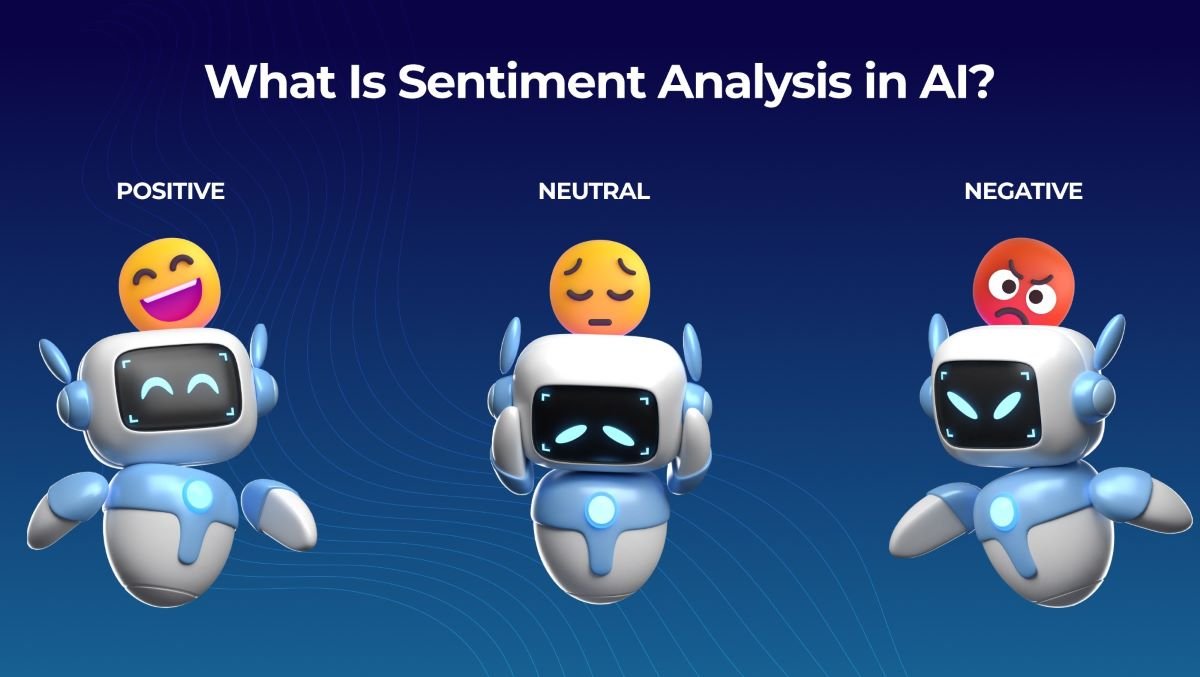
Every interaction generates valuable data. Businesses can analyze call patterns, frequently asked questions, and customer sentiment to refine their strategies.
Real-World Applications of AI Voice Bots
Customer Support
Voice bots handle common inquiries such as order tracking, billing questions, and troubleshooting — freeing human agents for more complex issues.
Healthcare Appointment Scheduling
Hospitals and clinics use voice bots to book, reschedule, or confirm appointments, reducing administrative workload significantly.
Banking and Finance
Financial institutions deploy voice bots for balance inquiries, fraud alerts, and transaction verification, offering secure and instant assistance.
E-Commerce and Retail
Online retailers use voice bots to assist with product recommendations, order status updates, and return processing.
Sales and Lead Qualification
AI voice bots can conduct outbound calls, qualify leads, and even schedule follow-ups with sales representatives.
Challenges to Consider
Despite their advantages, AI voice bots aren’t without limitations. Complex emotional conversations, heavy accents, or highly technical queries can still challenge even the most advanced systems. Additionally, businesses must ensure data privacy compliance, especially when handling sensitive customer information like financial or medical details.
Choosing a reliable vendor with strong security protocols and transparent data handling policies is essential for long-term success.
The Future of AI Voice Bots
As natural language models continue to advance, AI voice bots are becoming increasingly sophisticated. Future developments are likely to include:
- Deeper emotional intelligence, allowing bots to detect stress or frustration in a caller’s voice
- Multilingual fluency, enabling seamless conversations across different languages and dialects
- Hyper-personalization, where bots tailor responses based on individual customer history
- Voice biometrics, enhancing security through unique voice-based authentication
These innovations point toward a future where voice bots become nearly indistinguishable from human representatives, offering faster, smarter, and more empathetic service.
Final Thoughts
AI voice bots have moved far beyond simple automated menus. They represent a powerful convergence of speech technology and artificial intelligence that is transforming customer interactions across industries. Businesses that adopt this technology early can enjoy reduced costs, improved efficiency, and stronger customer relationships.
As AI continues to evolve, voice bots will only become more capable, more human-like, and more essential to modern digital communication strategies. Companies that invest in this technology today are positioning themselves for long-term success in an increasingly voice-driven world.
One thought on “AI Voice Bots: The Future of Human-Like Digital Conversations”