
Marketing teams are under constant pressure to do more with less. Budgets shrink, timelines shorten, and audiences expect hyper-personalized experiences at every touchpoint. This is exactly why AI marketing tools have moved from a “nice to have” to a core part of modern marketing strategy.
In this guide, we’ll break down what AI marketing tools actually do, the categories every marketer should know, and how to choose the right ones for your business.
What Are AI Marketing Tools?
AI marketing tools are software platforms that use artificial intelligence, machine learning, and natural language processing to automate, optimize, and personalize marketing activities. Instead of manually analyzing spreadsheets or writing every email by hand, marketers can rely on AI to handle repetitive tasks and surface insights that would otherwise take hours to find.
These tools typically fall into a few core functions: content creation, data analysis, customer segmentation, and campaign automation. Together, they help teams work faster while improving the quality and relevance of their output.
Why AI Marketing Tools Matter
Traditional marketing relied heavily on guesswork and broad targeting. AI changes that equation by processing massive datasets in real time, allowing marketers to predict customer behavior, personalize messaging, and adjust campaigns on the fly.
The result is more efficient spending, higher engagement rates, and marketing decisions backed by data rather than intuition.
Key Categories of AI Marketing Tools
1. Content Creation and Copywriting
AI writing assistants help generate blog posts, ad copy, product descriptions, and social media captions in a fraction of the time it would take a human writer to draft them from scratch. These tools analyze tone, keywords, and audience intent to produce content that feels natural while still being optimized for search engines.
Many platforms also offer built-in SEO scoring, helping writers identify missing keywords or readability issues before publishing.
2. Customer Data and Predictive Analytics
Predictive analytics tools use historical customer data to forecast future behavior, such as which leads are most likely to convert or which customers are at risk of churning. This allows marketing teams to prioritize high-value prospects instead of spreading resources thin across an entire audience.
3. Email Marketing Automation
AI-powered email platforms go beyond simple scheduling. They analyze open rates, click patterns, and subscriber behavior to automatically adjust send times, subject lines, and content for each recipient. This kind of dynamic personalization consistently outperforms static, one-size-fits-all campaigns.
4. Chatbots and Conversational Marketing
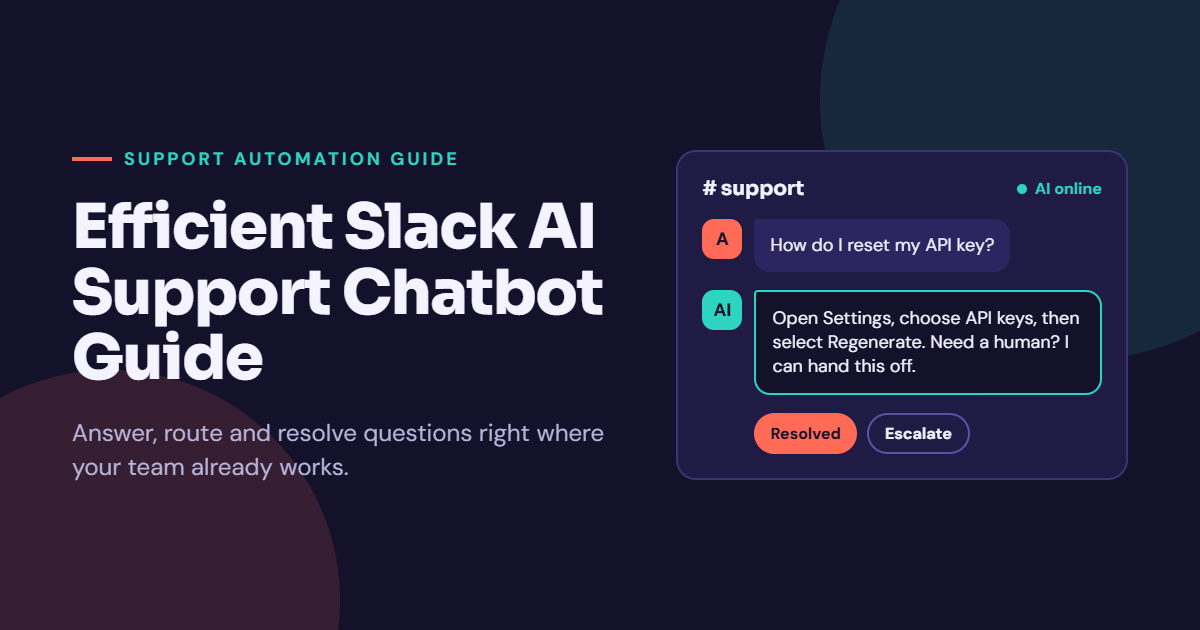
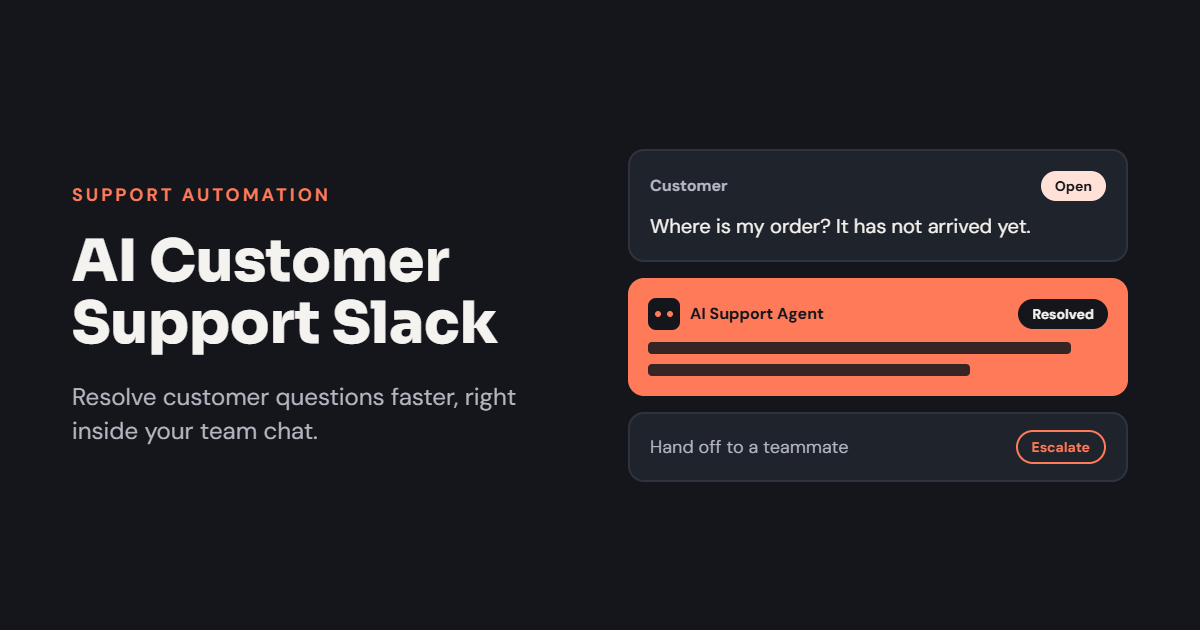
Conversational AI tools handle customer inquiries, qualify leads, and guide visitors through the sales funnel without requiring a human agent to be online 24/7. Modern chatbots use natural language understanding to hold surprisingly human-like conversations, improving both response time and customer satisfaction.
5. Social Media Management
AI tools in this category analyze engagement trends, suggest optimal posting times, and even recommend content formats based on what’s currently resonating with a given audience. Some platforms can also generate captions or repurpose long-form content into short social snippets automatically.
6. SEO and Keyword Research
AI-driven SEO tools identify high-value keywords, analyze competitor content gaps, and track ranking changes over time. Rather than relying on static keyword lists, these platforms continuously learn from search trend data to recommend semantic keywords that align with user search intent.
How to Choose the Right AI Marketing Tool
Define Your Primary Goal
Before evaluating platforms, get clear on what you actually need to solve. A tool built for email personalization won’t necessarily help with SEO content creation, so matching the tool to the specific bottleneck in your workflow matters more than chasing the most feature-rich option.
Check Integration Compatibility
The best AI marketing tool is one that fits into your existing tech stack. Look for platforms that integrate smoothly with your CRM, email service provider, and analytics dashboard to avoid creating data silos.
Evaluate Ease of Use
A powerful tool is only valuable if your team can actually use it. Prioritize platforms with intuitive interfaces and solid onboarding support, especially if you’re rolling it out across a larger marketing team.
Consider Scalability
Choose tools that can grow alongside your business. A solution that works well for a five-person startup team might not hold up once you’re managing multiple campaigns across different markets.
Common Mistakes to Avoid
Many teams adopt AI tools without a clear strategy, treating them as a shortcut rather than an enhancement to human expertise. AI can speed up execution, but it still requires human oversight to ensure brand voice, accuracy, and ethical use of customer data.
Another common mistake is relying entirely on automation for customer-facing communication. Balance is key — use AI to handle scale and repetition, while reserving human judgment for nuanced or high-stakes interactions.
Final Thoughts
AI marketing tools are reshaping how brands connect with their audiences, offering speed, personalization, and data-driven insight that simply weren’t possible a few years ago. The key to success isn’t adopting every new tool on the market, but selecting the ones that genuinely solve your team’s biggest challenges.
As AI technology continues to evolve, marketers who combine these tools with strong strategic thinking will be the ones who consistently stay ahead of the competition.
6 thoughts on “Ultimate Guide to AI Marketing Tools in 2026”